
• Parts
  • Services
  • OEM Equipment &
    Engineered Systems
  • EPC &
    Turnkey
  • Industries
    Served

China Top 10 Flexible PCBA Manufacturers?

China Top 10 Flexible PCBA Manufacturers? This guide examines manufacturers that turn thin polyimide circuits into dependable electronic assemblies. Flexible PCBA production demands more than compact machines and attractive factory photos. It requires controlled lamination, accurate component placement, clean soldering, and disciplined electrical testing. A small coverlay misalignment can create stress near a bend. That detail matters.

Dr. Hayao Nakahara, a respected PCB industry analyst, once stated, “Flexibility is valuable only when it survives assembly, testing, and use.” This principle shapes our evaluation. We consider engineering experience, material selection, prototype support, production capacity, quality systems, and communication reliability. We also examine practical capabilities, including fine-pitch assembly, stiffener bonding, impedance control, and repeatable bend performance. Certifications help, but they never replace process evidence.

No ranking is perfect. Supplier data changes. Factory strengths can vary between prototypes and mass production. Therefore, this overview should support deeper verification, not replace it. Readers should request current certifications, sample reports, inspection records, and clear tolerance sheets. Ask how each manufacturer handles lifted pads, solder bridging, flex cracking, and late design changes. These questions reveal more than a polished website.

The selected companies represent different strengths. Some focus on medical devices. Others serve automotive electronics, wearables, industrial controls, or compact consumer products. Their advantages are not identical. One may offer faster prototypes, while another provides stronger volume control. This introduction prepares readers to compare China’s leading Flexible PCBA manufacturers with practical expectations, measurable evidence, and careful attention to long-term reliability.
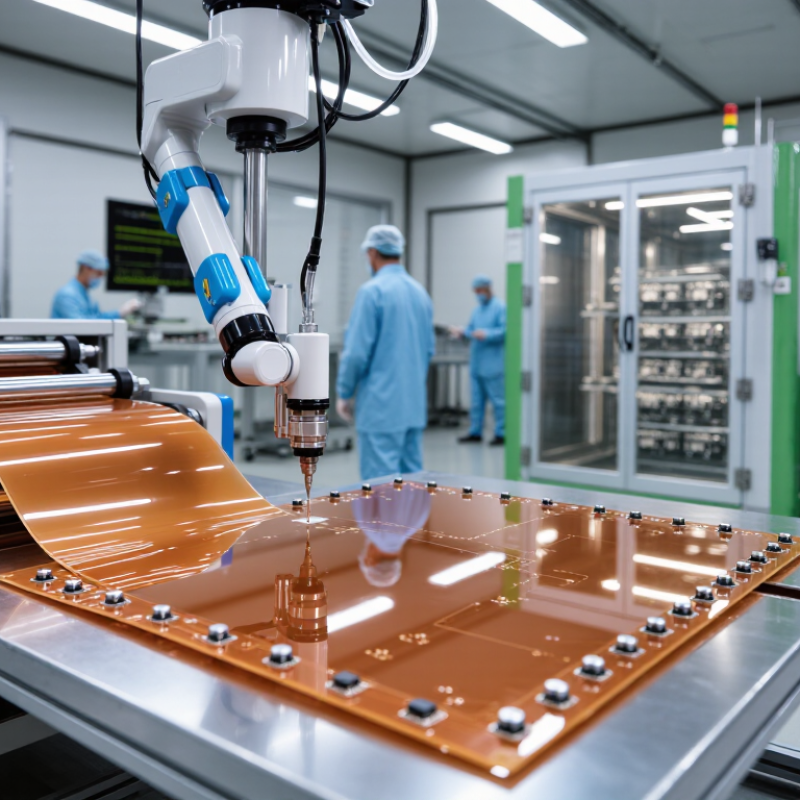
China Top 10 Flexible PCBA Manufacturers?

What Is Flexible PCBA and Why Does It Matter?

Flexible PCBA combines flexible circuit materials with mounted electronic components. It can bend, fold, or fit around curved surfaces. Unlike rigid boards, it uses thin polymer films instead of traditional solid substrates. This structure supports smart wearables, medical instruments, automotive sensors, and compact industrial equipment. It matters because space is limited in modern products. A flexible circuit can reduce wiring, weight, and assembly steps. It may also improve airflow inside a small enclosure.

When comparing China’s top ten flexible PCBA manufacturers, technical capability deserves careful attention. Experienced engineers review bend radius, copper thickness, component stress, and adhesive performance. They also control soldering temperature and inspection procedures. Practical testing should include repeated bending, vibration, humidity, and thermal cycling. A board that passes visual inspection may still fail after thousands of movements. That detail is easy to miss. Flexible does not mean unbreakable. A poor layout can concentrate stress near connectors and cause early cracks. I would also question impressive factory claims without traceable test records. That reflection can prevent costly assumptions.

Tips: Ask for material specifications, sample testing data, and production quality records. Check whether the supplier validates the finished assembly, not only the bare circuit. Confirm the minimum bend radius before approving the design. Keep connectors away from sharp folds. Small design choices matter.

How to Evaluate Flexible PCBA Manufacturers in China

How to Evaluate Flexible PCBA Manufacturers in China

Choosing among China’s top flexible PCBA manufacturers requires more than comparing unit prices. Request evidence of engineering capability, material control, and production consistency. Ask how the supplier manages coverlay, stiffeners, copper thickness, and minimum bend radius. A reliable manufacturer should explain these details clearly, not hide behind general promises. During a factory review, inspect soldering equipment, microscopes, clean work areas, and component traceability records. These small details often reveal production discipline.

Tips: Send a complete drawing, stack-up, Gerber files, and assembly list. Ask for a first-article sample before approving mass production. Check whether testing includes AOI, electrical testing, and visual inspection. Confirm how defects are recorded and corrected. A written quality plan is useful.

Communication also deserves careful evaluation. Technical questions should receive specific answers within a reasonable time. Request sample reports, material certificates, and process-control records. Test the prototype through repeated bending, connector insertion, and thermal exposure when the application requires it. A flexible PCBA may pass initial inspection yet fail after repeated movement. I have learned that attractive quotations can distract teams from tooling limits, lead times, or weak inspection methods. My own evaluations are not perfect either; early assumptions about volume can distort cost comparisons. Recheck the quotation using identical materials, quantities, tolerances, and testing requirements. A dependable partner should welcome that scrutiny.

This procurement framework shows practical weighting criteria for evaluating flexible PCBA manufacturers in China. Quality and reliability receive the highest priority, followed by engineering capability, production capacity, certification and traceability, delivery performance, and cost transparency. The percentages represent evaluation priorities rather than rankings of individual companies.

China’s Top 10 Flexible PCBA Manufacturers

China’s Top 10 Flexible PCBA Manufacturers are usually judged by process control, not factory size alone. A 2024 global flexible circuit market report estimated the sector above US$8 billion, with annual growth near 10%. This expansion raises pressure on Chinese suppliers to deliver thinner circuits, tighter tolerances, and stable production volumes.

A capable manufacturer should support polyimide materials, multilayer flex circuits, stiffeners, and rigid-flex assemblies. Ask for evidence of IPC-6013 compliance, controlled impedance testing, and traceability from bare film to final assembly. Practical checks matter. Inspect 0.1 mm pitch soldering, laser-cut edges, bend-radius testing, and AOI records. A sample board may pass while mass production drifts. That risk is often underestimated.

The strongest candidates among China’s top 10 flexible PCBA manufacturers should provide first-article reports, microsection results, and process capability data. Industry quality studies commonly target defect rates below 1,000 parts per million for mature electronics lines, but targets vary by product complexity. Request actual figures, not polished promises. Confirm monthly capacity, engineering response time, and export documentation before signing. Site audits remain valuable, although remote audits can miss humidity control and manual handling problems. Some supplier profiles look excellent on paper. Reality needs testing.

China Top 10 Flexible PCBA Manufacturers? - China’s Top 10 Flexible PCBA Manufacturers

Rank Anonymous Manufacturer Profile Major Manufacturing Hub Flexible PCBA Focus Typical Product Applications Typical Layer Range Production Model Common Compliance Scope
1 Profile A — High-volume flex assembly specialist Shenzhen, Guangdong Rigid-flex, single-sided FPC, SMT assembly Consumer electronics, wearables, compact modules 1–8 Mass production RoHS, REACH, IPC-based controls
2 Profile B — Quick-turn flexible PCB producer Dongguan, Guangdong Prototype-to-volume flex and rigid-flex boards Industrial controls, smart devices, test equipment 1–10 Prototype and batch production RoHS, REACH, ISO 9001 commonly available
3 Profile C — Automotive flex circuit supplier Huizhou, Guangdong High-reliability FPC and assembled flex harnesses Vehicle controls, lighting, battery systems 1–6 Automotive volume production IATF 16949-oriented quality systems
4 Profile D — Precision rigid-flex manufacturer Suzhou, Jiangsu Fine-pitch rigid-flex and high-density interconnects Medical instruments, automation, communication equipment 2–12 Engineering and volume production ISO 9001, RoHS, IPC workmanship standards
5 Profile E — Consumer electronics flex assembler Shanghai, China Fine-line FPC, connector assembly, component mounting Mobile devices, cameras, audio products 1–8 High-volume assembly RoHS, REACH, ISO 9001 commonly available
6 Profile F — Medical and instrumentation flex supplier Xiamen, Fujian Low-volume, traceable flex and rigid-flex assemblies Diagnostic devices, sensors, laboratory equipment 1–10 Prototype and small batch ISO 9001; medical quality controls where applicable
7 Profile G — Industrial and power-electronics flex provider Ningbo, Zhejiang Durable flex circuits and mixed-technology assemblies Meters, drives, appliances, industrial sensors 1–6 Batch and repeat production RoHS, REACH, ISO 9001 commonly available
8 Profile H — LED and display interconnect specialist Guangzhou, Guangdong LED flex circuits, display connections, SMT assembly Displays, lighting, signage, consumer modules 1–4 Medium and high volume RoHS, REACH, IPC assembly practices
9 Profile I — Communications and antenna flex producer Wuhan, Hubei RF flex, antenna circuits, compact interconnects Networking devices, wireless modules, IoT equipment 1–8 Prototype and volume production RoHS, REACH, ISO 9001 commonly available
10 Profile J — Regional flexible electronics assembler Chongqing, China Automotive and industrial flex assemblies Vehicle electronics, control panels, embedded systems 1–6 Batch and mass production Automotive and ISO-based quality systems

Note: Company identities and brand-specific figures are intentionally omitted. Technical ranges and compliance categories represent commonly available capabilities in China’s flexible PCB and PCBA manufacturing sector; actual specifications should be confirmed against each supplier’s current capability statement.

Key Services and Technologies Offered by Leading Manufacturers

China Top 10 Flexible PCBA Manufacturers: Key Services and Technologies Offered by Leading Manufacturers

China’s leading flexible PCBA manufacturers combine engineering support with controlled production. Their services often include circuit design review, DFM analysis, rapid prototypes, SMT assembly, and final functional testing. These steps reduce alignment errors before volume production begins. Flexible boards also require careful control of bending radius, copper thickness, and coverlay placement. A small crease can damage a trace. It happens.

Fortune Business Insights estimated the global flexible printed circuit board market at about USD 15.34 billion in 2023. Its report projects strong growth through 2032, driven by consumer electronics, vehicles, medical devices, and compact industrial equipment. To meet this demand, advanced manufacturers use laser drilling, fine-pitch assembly, rigid-flex integration, and automated optical inspection. Some facilities also provide impedance testing, X-ray inspection, thermal cycling, and serialized traceability. IPC standards, including IPC-2223, help guide flexible circuit design and material selection.

Experienced suppliers increasingly support material engineering, not only assembly. They may recommend polyimide thickness, adhesive systems, stiffeners, and surface finishes for specific operating conditions. High-density interconnect technology enables smaller layouts, but it raises inspection and yield challenges. No supplier is perfect. Quoted capability may differ from stable mass-production capability. Buyers should request sample records, process limits, test reports, and production evidence before approval. That practical review often matters more than a polished factory presentation.

How to Choose the Right Flexible PCBA Manufacturing Partner

How to Choose the Right Flexible PCBA Manufacturing Partner

When comparing China’s top flexible PCBA manufacturers, start with engineering evidence, not polished websites. Request sample build records, material certificates, and inspection data. An experienced partner should explain bend radius, copper thickness, coverlay selection, and impedance control clearly. Ask whether the design team reviews rigid-flex transitions before quotation. Small layout errors can create large field failures.

Visit the production site if possible. Observe cleanliness, humidity control, ESD protection, and operator training. Check whether optical inspection, flying-probe testing, and functional testing match your product risks. Reliable factories maintain lot traceability from raw polyimide film to final shipment. They should also provide measurable data for first-pass yield, defect rates, and corrective actions. Vague promises are not enough.

Discuss prototype quantities, engineering changes, packaging, and delivery recovery plans. A strong partner can explain how they protect thin circuits during lamination and assembly. They should support compliance documentation for your target markets. Do not select only by the lowest unit price. It may hide tooling limits or weak process control. I have seen early samples look excellent, while repeated bending exposed inconsistent copper adhesion. That possibility deserves a practical test plan. Build prototypes, bend them repeatedly, inspect solder joints, and review failures openly. A manufacturer willing to discuss weaknesses is often more dependable than one claiming perfection.

Article Source: