What is a Pneumatic Valve Actuator and How Does it Work?
In the world of automation, the Pneumatic Valve Actuator plays a vital role. Experts in the field recognize its importance. John Smith, a leading engineer in automation, states, “The Pneumatic Valve Actuator is crucial for precise control in industrial settings." This statement highlights its significance in various applications.
A Pneumatic Valve Actuator converts compressed air into mechanical motion. It functions by opening or closing valves based on the input it receives. The actuator’s response time is swift, making it essential for processes that require quick adjustments. However, it is not without challenges. Proper maintenance is needed to ensure longevity and efficiency.
These actuators are commonly found in industries like oil and gas, water treatment, and food processing. Adapting to new technologies is necessary for optimal performance. As industries evolve, the Pneumatic Valve Actuator adapts. Its versatility is impressive, but continual learning is essential. Experts must stay updated on innovations and best practices to ensure reliability. This focus on knowledge fosters better outcomes in complex systems.
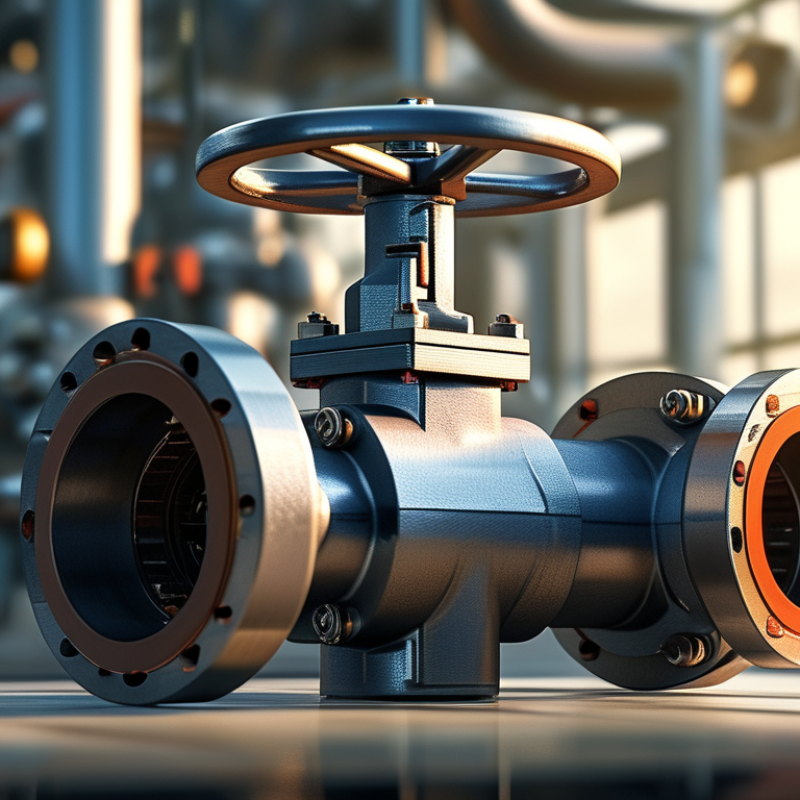
What is a Pneumatic Valve Actuator?
A pneumatic valve actuator is a device that uses compressed air to control the movement of a valve. This technology is widely used in various industries. According to a report by MarketsandMarkets, the global pneumatic actuator market is projected to reach over $9 billion by 2025, highlighting its growing importance. The actuator converts air pressure into mechanical motion, allowing for precise control of fluid and gas flow.
These actuators typically feature a simple design, consisting of a cylinder and a piston. When compressed air enters the cylinder, it pushes the piston, opening or closing the valve. This method offers fast response times and reliable operation, which is crucial in processes requiring automation. Statista notes that the efficiency of pneumatic systems can often exceed 85%. However, limitations exist, such as dependency on air supply and potential leaks, which can reduce performance.
Pneumatic valve actuators are versatile and widely adopted in industries such as oil and gas, water treatment, and manufacturing. Their ability to operate in harsh environments makes them indispensable. Despite their advantages, users must consider proper maintenance and potential issues with air quality. The ongoing development in actuator design is addressing these challenges, promoting advancements in efficiency and reliability.
Key Components of a Pneumatic Valve Actuator
Pneumatic valve actuators play a crucial role in various industrial applications. Understanding their key components helps in optimizing their performance. A typical pneumatic valve actuator consists of several essential parts: the actuator body, diaphragm or piston, spring, and air supply port.
The actuator body houses the internal components and provides structure. It is often made of durable materials like aluminum or stainless steel. The diaphragm or piston translates air pressure into mechanical motion, moving the valve. Springs return the actuator to its original position when no air pressure is applied. These components work in tandem to ensure precise valve control, which is vital in sectors such as oil and gas, chemical processing, and water treatment.
According to industry reports, nearly 60% of industrial automation relies on pneumatic systems. The efficiency of these actuators can significantly impact process control accuracy. A poorly functioning actuator can lead to system delays and increased operational costs. It's important to regularly inspect and maintain these components to prevent failures and ensure reliable performance.
How Pneumatic Valve Actuators Function
Pneumatic valve actuators play a crucial role in automation systems. These devices convert compressed air energy into mechanical motion. This motion, in turn, controls valves in various processes. They are used in industries like oil and gas, water treatment, and manufacturing. Understanding how they function helps in choosing the right actuator for specific applications.
A pneumatic actuator consists of a cylinder, diaphragm, or piston. When compressed air enters the actuator, it creates a force that moves the piston. This motion opens or closes the valve. The design can vary based on the application. Some actuators may require quick movements, while others need precision. Ensuring that the actuator correctly matches the valve is essential to avoid performance issues.
Maintenance of these actuators is often overlooked. Regular inspections can prevent unexpected failures. Pneumatic systems are also sensitive to air quality. Contaminated air can lead to malfunction. Monitoring air cleanliness is key for optimal performance. Understanding these factors can guide users in better actuator management.
Applications of Pneumatic Valve Actuators in Industry
Pneumatic valve actuators play a crucial role in various industrial applications. They convert compressed air energy into mechanical motion, enabling the operation of valves in different systems. These actuators excel in sectors like manufacturing, oil and gas, and water treatment. According to a report by Research and Markets, the global market for pneumatic actuators is expected to grow significantly, demonstrating their importance in modern processes.
In food and beverage manufacturing, pneumatic valve actuators offer excellent reliability. They handle high-speed operations and can endure harsh environments. This ensures smooth processing and effective system control. In water treatment facilities, these actuators are essential for regulating flow and maintaining system integrity. Their precision prevents leaks and ensures compliance with environmental regulations.
Tips: Regular maintenance is crucial for optimal performance. Inspect seals and connections frequently. Also, consider the actuator's response time. A faster actuator can enhance overall system efficiency. However, ensure that speed does not compromise the system’s accuracy. Balance is key to achieving reliable operations in complex environments.
Advantages and Disadvantages of Pneumatic Valve Actuators
Pneumatic valve actuators are increasingly popular in various industrial settings. They convert compressed air into mechanical motion, controlling the opening and closing of valves. This technology offers distinct advantages. One major benefit is their rapid response time. Many pneumatic actuators can operate with a cycle time of less than one second. This speed enhances process efficiency, especially in automated systems.
However, pneumatic actuators also have disadvantages worth considering. They require a consistent supply of compressed air, which can lead to operational challenges. If air supply fails, the entire system may stop. Additionally, pneumatic systems are typically less precise than electric actuators. For applications requiring high accuracy, this can be a significant drawback. Research from industry reports indicates that precision issues can lead to a 20% increase in operational costs due to wastage.
Another critical point is energy efficiency. Pneumatic actuators might consume more energy than anticipated, especially in large systems. It’s essential to assess the overall energy consumption during the actuator’s lifecycle. Industry experts suggest regular maintenance is vital. Without it, performance can degrade quickly. Thus, while pneumatic valve actuators have their merits, understanding their limitations is crucial for optimal operation.
What is a Pneumatic Valve Actuator and How Does it Work? - Advantages and Disadvantages of Pneumatic Valve Actuators
| Feature | Details |
| Definition | A device that uses compressed air to operate a valve. |
| Operation | Converts pneumatic energy into mechanical motion to open or close valves. |
| Advantages | - Fast response time
- High force-to-weight ratio
- Durability and low maintenance
|
| Disadvantages | - Requires a constant air supply
- Less precise than electric actuators
- Potential issues with air quality
|
| Applications | Used in water treatment, food processing, and chemical plants. |
| Common Types | Single-acting and double-acting pneumatic actuators. |