Why Invest in a Frequency Converter for Your Business Needs?
In today's competitive industrial landscape, investing in a Frequency Converter can be a game-changer for businesses. According to recent industry reports, the global frequency converter market is projected to grow significantly, reaching USD 6.5 billion by 2026. This growth highlights the increasing reliance on energy-efficient technologies. A Frequency Converter helps optimize power consumption and prolongs the life of essential equipment.
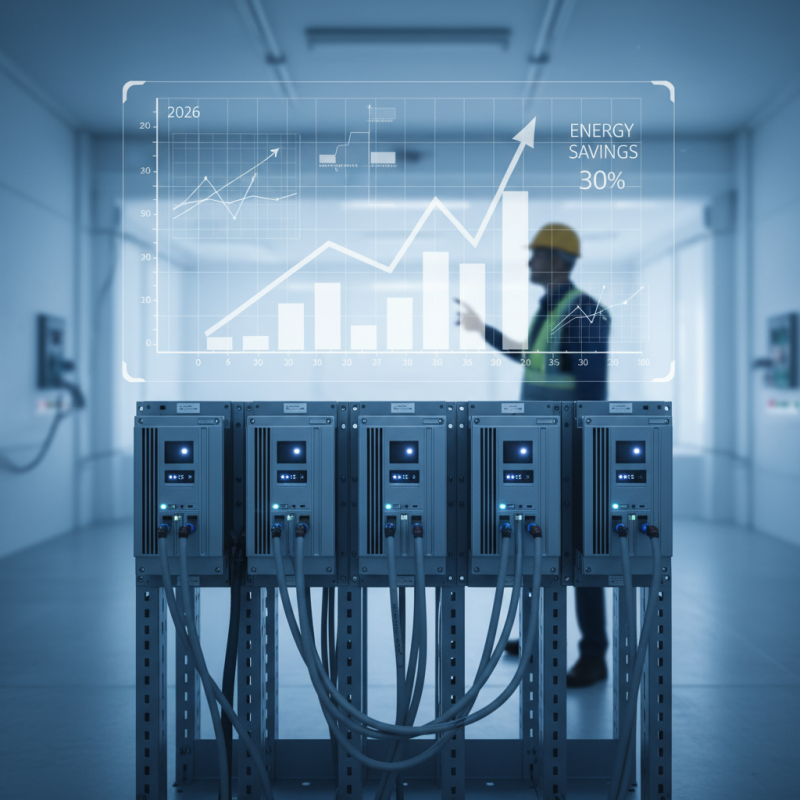
Flexibility is a critical factor in modern operations. With a Frequency Converter, companies can adjust motor speeds and improve control. An estimated 30% reduction in energy usage is achievable when utilizing these devices, making them a reliable choice. However, not all businesses have adopted this technology, raising questions about their long-term efficiency strategies.
Adopting a Frequency Converter means balancing upfront costs against potential savings. While the initial investment may seem daunting, the return on investment often justifies the expenditure. Continued advancements in technology also increase the reliability of Frequency Converters, making them a wise consideration for future growth and sustainability.
Understanding Frequency Converters and Their Functionality
Frequency converters play a crucial role in various industrial applications. They adjust the frequency of the power supply, optimizing motor performance and energy efficiency. The Global Frequency Converter Market was valued at approximately $1 billion in 2021 and is projected to grow at a CAGR of 5% through 2026. This growth indicates increasing adoption across sectors such as manufacturing, renewable energy, and HVAC.
Understanding the functionality of frequency converters is vital for businesses. They enable motors to operate at different speeds, which can lead to significant energy savings. For instance, an efficient frequency converter can reduce energy consumption by 20-50% in centrifugal pump applications alone. However, not all converters are created equal; the choice of technology can impact performance and maintenance needs. Each application demands careful consideration of factors like power rating, input frequency range, and environmental conditions.
Implementing frequency converters requires an assessment of existing systems. Many companies face challenges in integrating these systems efficiently. Moreover, the lack of operator training can lead to underutilization of the technology. A thorough understanding of frequency converters allows businesses to maximize their return on investment while minimizing operational costs. Exploring case studies and expert reports is essential to identify best practices and potential pitfalls in deployment.
Investment Comparison in Frequency Converters
This bar chart illustrates the various benefits of investing in frequency converters for business needs, showcasing how they contribute to cost savings, operational efficiency, equipment longevity, energy savings, and flexibility.
Key Benefits of Investing in Frequency Converters for Businesses
Investing in a frequency converter can significantly enhance operational efficiency for businesses across various sectors. These devices allow for precise control over motor speed, improving energy consumption by up to 30%, according to the International Energy Agency. This reduction not only lowers utility costs but also minimizes wear and tear on equipment, extending the lifespan of machinery.
Another compelling reason to consider frequency converters is their adaptability. In industries like manufacturing and HVAC, they enable seamless integration with existing systems. A report from the Global Market Insights indicates that the global frequency converter market will exceed $2.5 billion by 2026, reflecting a growing recognition of their benefits. However, not all applications may require such investment. Evaluating the specific needs and operational context is vital.
Moreover, frequency converters contribute to improved product quality. By allowing for precise speed control, they enable consistent operations, reducing errors in production lines. Yet, the initial investment can be daunting for small businesses. Conducting a detailed cost-benefit analysis is essential to ensure that the advantages outweigh the costs. Balancing these factors can lead to better decisions in technology adoption for operational enhancement.
Applications of Frequency Converters Across Different Industries
Frequency converters play a vital role across various industries. The manufacturing sector, for instance, benefits significantly from these devices. They enable precise control over motor speeds. This precision leads to better energy efficiency, reducing costs by about 30%, according to a report by the International Energy Agency. Manufacturers can optimize operations with variable speed drives, enhancing productivity.
In the renewable energy sector, frequency converters are crucial. Wind and solar energy systems require conversion for grid compatibility. The growth of renewable energy capacity is projected to reach 4,900 gigawatts by 2025, as per a report from the International Renewable Energy Agency. Converters also improve the reliability of power supply in these applications, ensuring minimal downtime.
The transportation industry also leverages frequency converters. Electric vehicles utilize these devices to control their electric drives. A study suggests that EV sales could reach 30% of the global market by 2030. However, challenges remain, such as integration with existing infrastructure. Frequency converters may need continual upgrades to ensure compatibility and efficiency in expanding networks.
Factors to Consider When Choosing a Frequency Converter
When considering a frequency converter for your business, various factors come into play. The power rating is crucial. Evaluate the input and output ranges to ensure compatibility with your equipment. A mismatch can lead to inefficiency and potential damage.
Consider the application type. Will it be used for motors or other machinery? Different applications may require different features. Look for options that provide specific functionalities, like speed control or phase conversion, tailored to your needs.
Tips: Seek advice from experts in the field. Understanding your operational requirements can prevent costly mistakes. Prioritize reliability. A dependable frequency converter can enhance your workflow significantly.
Lastly, assess the brand's reputation and after-sales support. A good warranty can offer peace of mind. Check reviews and ask industry peers for their experiences. Your choice should reflect not just immediate needs but long-term goals.
Cost Efficiency and Return on Investment for Frequency Converters
Investing in a frequency converter can significantly improve operational efficiency. According to a report by Allied Market Research, the global frequency converter market is expected to grow at a CAGR of 5.4% from 2021 to 2028. This growth highlights the increasing demand for energy-efficient solutions across various industries.
Cost efficiency is a primary consideration when evaluating frequency converters. They help reduce energy costs by allowing businesses to operate motors at varying speeds. This flexibility leads to lower power consumption, which is crucial given that industrial energy costs can contribute up to 30% of total operational expenses. A well-implemented frequency converter can yield a ROI of up to 200% within a few years, making it a financially sound choice for many enterprises.
Moreover, reliability is paramount. A recent study indicated that businesses could face downtime costs of up to $260,000 per hour. Frequency converters enhance equipment lifecycle and reduce maintenance needs, fostering smoother operations. Investing in such technology ensures that companies are not just keeping pace with market demands but are also setting benchmarks for efficiency and stability.