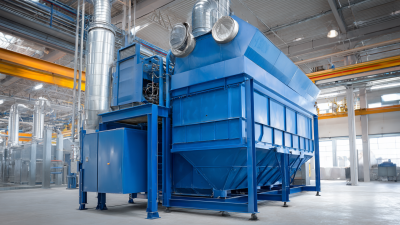
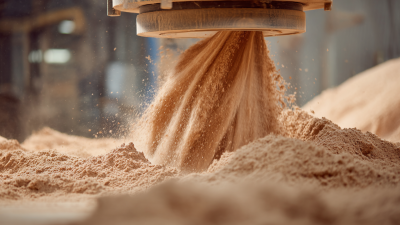
Understanding the Importance of a Sawdust Collector for a Cleaner Woodworking Environment
In the woodworking industry, the significance of maintaining a clean and safe working environment cannot be overstated. Studies indicate that wood dust can pose serious health risks, with the National Institutes of Health (NIH) reporting that exposure to wood dust is associated with respiratory issues and even cancer. This underscores the necessity of an efficient dust management system, particularly a Sawdust Collector. According to the Woodworking Machinery Industry Association (WMIA), the implementation of high-quality dust collection systems can reduce airborne particles by up to 99%, significantly enhancing air quality in workshops.
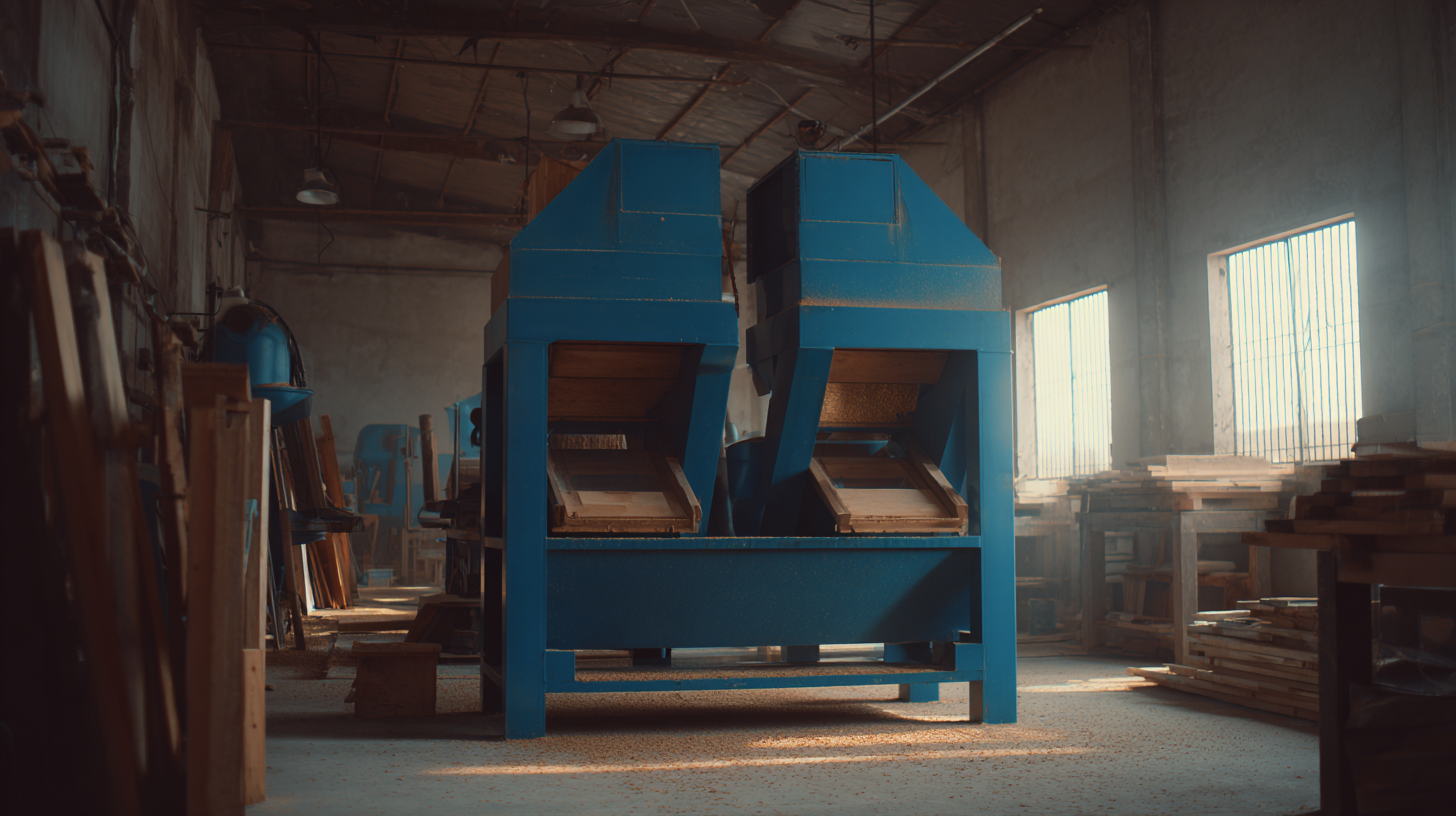
As craftsmen strive to create intricate designs, investing in a reliable Sawdust Collector not only promotes worker safety but also improves overall efficiency and product quality by minimizing debris and maintaining cleaner work surfaces. In this guide, we will explore the essential aspects of selecting and utilizing a Sawdust Collector to foster a healthier woodworking environment.
The Role of a Sawdust Collector in Enhancing Woodshop Air Quality
A sawdust collector plays a crucial role in enhancing the air quality of a woodshop, creating a safer and more pleasant working environment for woodworkers. Woodworking generates a significant amount of dust and particulate matter, which can become airborne and pose serious health risks if inhaled over time. By efficiently capturing sawdust and wood particles at the source, sawdust collectors help to minimize these risks, allowing craftsmen to focus on their work without the constant worry of respiratory issues.
In addition to protecting the health of woodworkers, a sawdust collector contributes to the overall cleanliness of the shop. Accumulated dust can lead to not only poor air quality but also potential fire hazards. By maintaining minimal dust levels, these collectors help extend the lifespan of tools and machinery, as dust buildup can lead to malfunctions and wear over time. Furthermore, a cleaner workspace promotes improved productivity, enabling woodworkers to work more effectively and with greater precision, ultimately enhancing the quality of their creations.
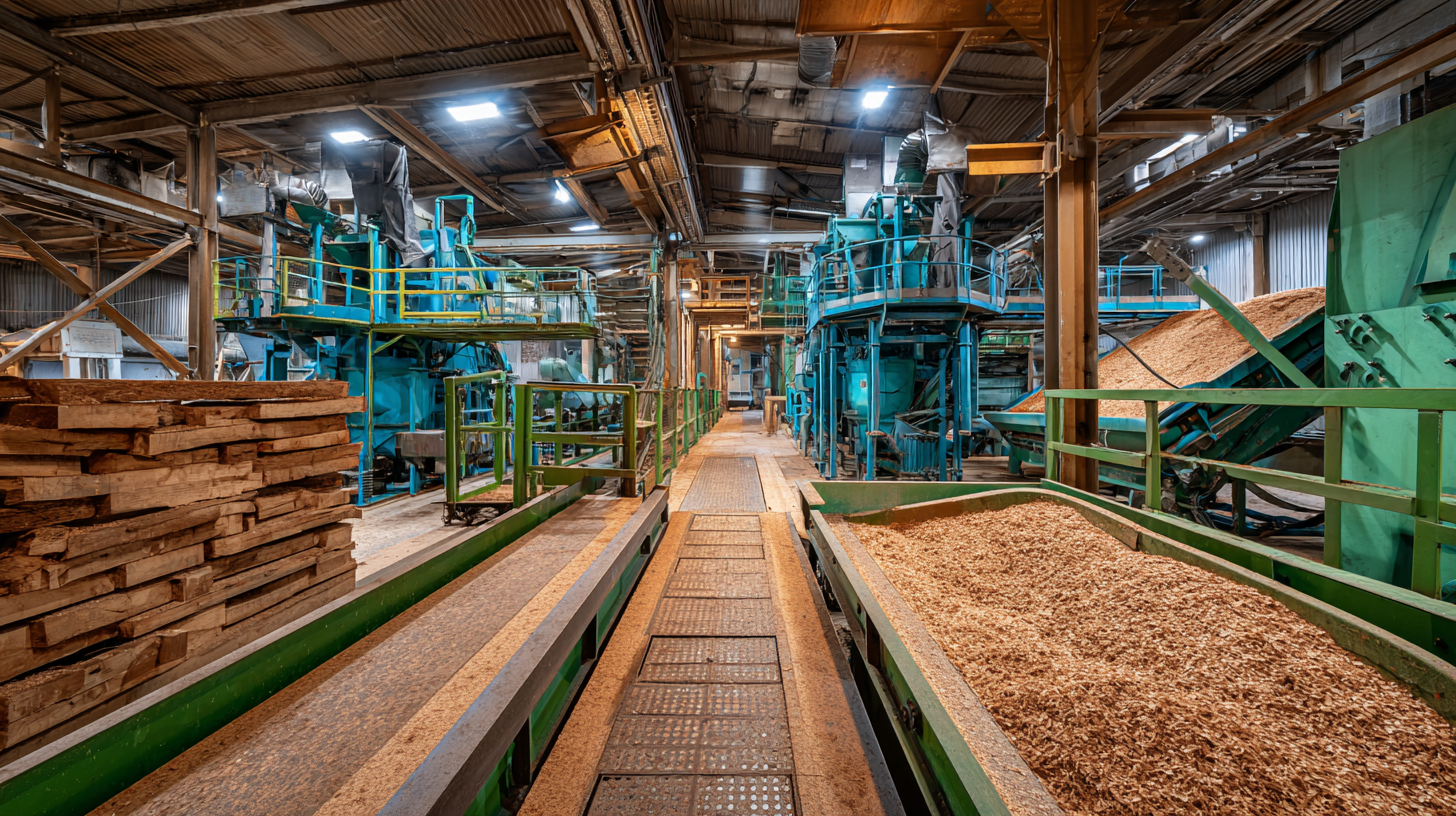
Key Benefits of Utilizing a Sawdust Collector in Woodworking Projects
Sawdust collectors are essential tools in woodworking projects, offering numerous benefits that significantly enhance the working environment. One key advantage is the maintenance of a cleaner workspace. By effectively removing sawdust and wood shavings, these collectors minimize the risk of respiratory issues related to inhaling fine particles, contributing to better air quality. A tidy workspace not only improves safety but also fosters greater productivity, as woodworkers can focus on their tasks without the distraction of clutter.
Moreover, utilizing sawdust collectors promotes sustainability within the woodworking industry. With a significant percentage of woody biomass going to waste globally, a sawdust collector helps in managing and recycling this byproduct. The collected sawdust can be repurposed for various applications, such as organic mulch or animal bedding, which reduces waste and promotes eco-friendly practices. Woodworkers can embrace innovative recycling options and find value in materials that would otherwise contribute to landfill waste, aligning their projects with sustainable practices and reducing the environmental impact of their craft.
Tips for Choosing the Right Sawdust Collector for Your Workshop Needs
When selecting a sawdust collector for your workshop, it is essential to consider several key factors that will ensure optimal performance and maintain a clean working environment. Firstly, assess the size of your workspace and the type of woodworking projects you typically undertake. For smaller shops, a portable or compact collector might be sufficient, while larger workshops may require a more robust, stationary system to handle greater volumes of debris.
Next, consider the filtration system of the sawdust collector. A high-quality filter will effectively capture fine dust particles, which are not only harmful to your health but can also accumulate and create a fire hazard. Look for collectors with pleated filters or HEPA filters, as they provide better airflow and filtration efficiency. Additionally, pay attention to the collector's airflow rate, measured in cubic feet per minute (CFM), as this will impact its ability to effectively remove sawdust from your workspace. Ultimately, choosing the right sawdust collector involves balancing your specific needs with the features that ensure a cleaner and safer woodworking environment.
Effective Maintenance Practices for Optimal Performance of Sawdust Collectors
Maintaining a sawdust collector is crucial for ensuring it operates at peak efficiency and contributes to a cleaner woodworking environment. Regular maintenance not only enhances performance but also extends the lifespan of the equipment. According to a report by the Woodworking Machinery Industry Association, poorly maintained dust collection systems can lose up to 50% of their efficiency over time, leading to increased airborne dust and poor air quality in workshops.
Tips: To keep your sawdust collector in top shape, schedule routine inspections every six months. Check for clogs in the ductwork and ensure that filters are clean and replaced regularly. A simple visual inspection can prevent larger issues down the line.
Additionally, it is vital to monitor the performance metrics of your dust collection system. The National Institute for Occupational Safety and Health recommends measuring the static pressure in the system to ensure it is within optimal levels. If pressure readings drop significantly, it may indicate a need for maintenance or upgrades, improving the overall safety and cleanliness of your workspace.
Tips: Utilize a manometer for accurate pressure measurements and make adjustments as necessary. Keeping detailed records of maintenance and system performance can also help identify patterns and potential improvements.
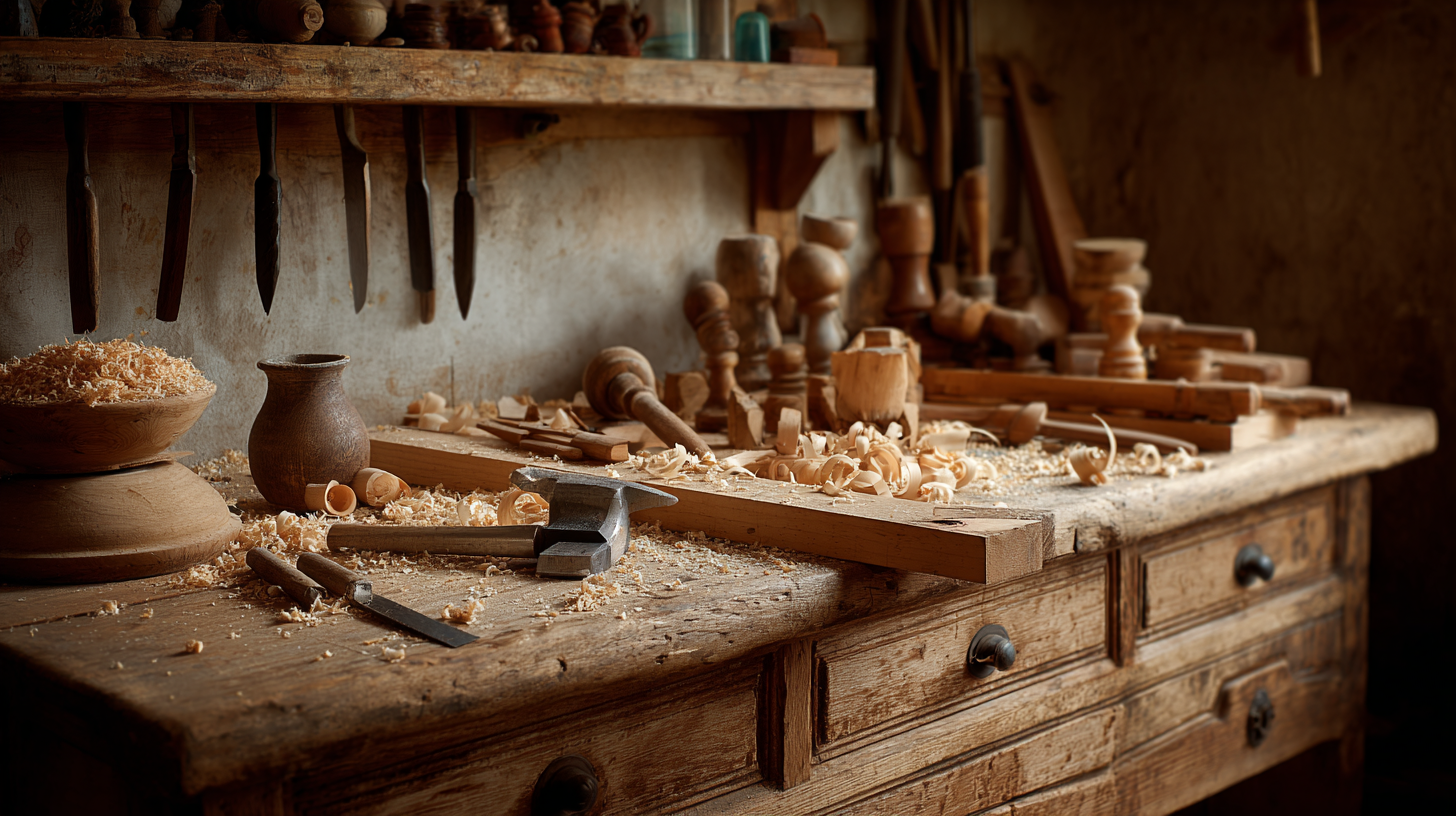
Innovative Sawdust Disposal Methods for an Eco-Friendly Woodworking Space
In the woodworking industry, maintaining a clean and efficient workspace is crucial, not only for the quality of work but also for the health of its workers.
Innovative sawdust disposal methods play a significant role in achieving an eco-friendly woodworking environment. Traditional disposal methods often lead to waste accumulation and health hazards, making it essential to adopt new strategies that reduce environmental impact.
For instance, utilizing vacuum systems designed specifically for capturing sawdust at the source ensures that minimal debris is left on the floor, greatly improving air quality and workspace cleanliness.
Another effective approach includes repurposing sawdust into useful products.
Creative uses such as turning sawdust into biodegradable packaging material, animal bedding, or even biofuel can significantly reduce waste. This not only promotes sustainability but also offers additional revenue streams for woodworking businesses.
Moreover, encouraging the use of environmentally friendly binders and adhesives in sawdust transformation processes can further enhance the ecological footprint of woodworking operations.
By embracing these innovative disposal methods, woodworkers can contribute to a cleaner, greener future while enhancing their craftsmanship.