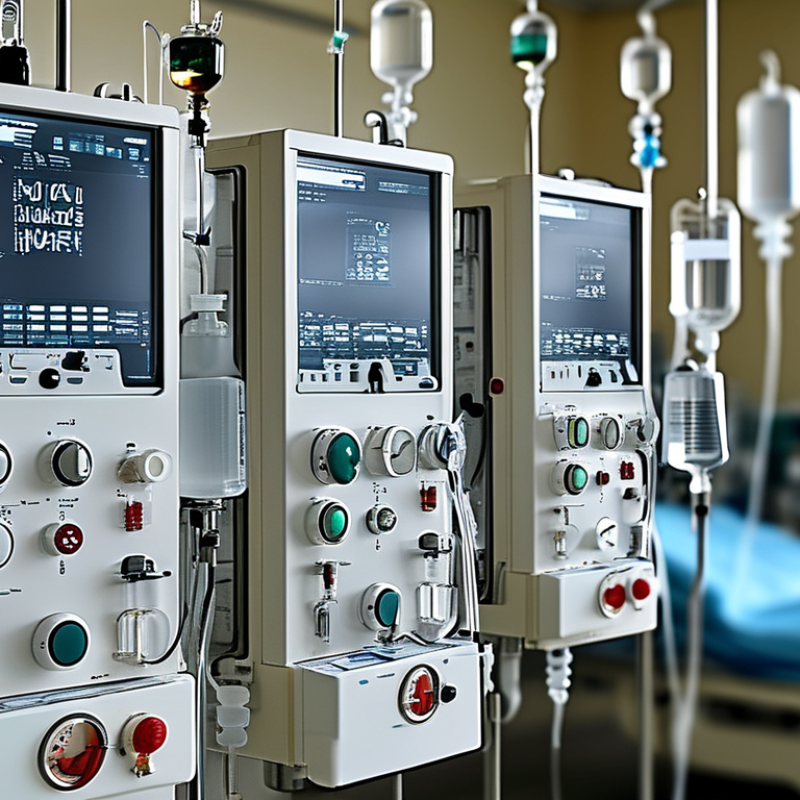
What is an Icu Syringe Pump and How Does It Work?
An Icu Syringe Pump is an essential tool in critical care settings. It delivers precise medications and fluids to patients. Understanding its function is vital for healthcare professionals.
These devices allow for accurate dosing, minimizing errors in medication delivery. They ensure that patients receive the right amount of medication at the right time. This control can significantly impact a patient's recovery.
However, reliance on technology can also pose challenges. For instance, technical malfunctions can lead to serious consequences. Staff must remain vigilant while using an Icu Syringe Pump. Continuous training is necessary to maintain high standards in patient care.
What is an ICU Syringe Pump?
An ICU syringe pump is a medical device designed to deliver precise amounts of medication to patients in critical care settings. These pumps allow healthcare professionals to control the rate and volume of infusions, enhancing patient safety and treatment efficacy. According to a report by MarketsandMarkets, the global market for infusion pumps, including syringe pumps, is expected to grow from $7.2 billion in 2021 to $11.2 billion by 2026, indicating a significant rise in their usage and importance in intensive care units.
The functionality of an ICU syringe pump is crucial for delivering various medications, including anesthesia and chemotherapy. A typical pump can administer medications at rates as low as 0.1 mL/hour to as high as 999 mL/hour, allowing for flexibility in treatment. This versatility can help to manage complex medical cases, but it also has its challenges. For instance, improper programming or malfunctions can lead to under- or overdosing. Despite these risks, adherence to strict protocols and regular training can mitigate potential errors.
Moreover, while these devices enhance precision, they require diligent oversight. A study published in the Journal of Patient Safety found that medication errors still happen, even with advanced technology. Continuous monitoring and a collaborative approach among healthcare team members are essential. Ensuring consistent communication and education about these pumps can ultimately lead to improved patient outcomes and reduced error rates in ICU settings.
Components of an ICU Syringe Pump
ICU syringe pumps are vital in critical care settings. Understanding their components can enhance patient safety and treatment efficiency. These pumps typically consist of a syringe barrel, a motor mechanism, and a control unit. The syringe barrel holds the medication, while the motor drives the plunger, delivering precise dosages.
One critical aspect is the control unit. It is designed for easy programming. Healthcare professionals can set infusion rates and monitor the infusion's progress. Data from the American Society of Health-System Pharmacists notes that proper programming reduces medication errors. Additionally, alarms in the system alert staff to any issues, ensuring timely interventions.
Moreover, the drive mechanism plays a significant role. It controls the speed and accuracy of drug delivery. A study published in the Journal of Infusion Nursing shows that accurate drug delivery is paramount, as even small deviations can lead to adverse effects. Thus, regular maintenance and calibration of these components are crucial for optimal performance. Failure to do so might compromise patient safety and treatment efficacy.
How ICU Syringe Pumps Function
ICU syringe pumps are vital devices in critical care settings. They deliver precise medication and fluids to patients. The function of these pumps is crucial for managing various medical conditions. A study from the Journal of Clinical Monitoring and Computing highlighted that errors in medication delivery can lead to serious consequences. Accurate dosing is essential, and syringe pumps help minimize these risks.
These pumps operate using a mechanical or electronic system to regulate flow rates. Users can program the pump to administer specific volumes over defined periods. A report by the Institute for Safe Medication Practices emphasizes the importance of user training. Improper use can result in overdoses or delays in treatment. Staff training and frequent calibration of the devices are necessary for safe operation.
In practice, while ICU syringe pumps are reliable, challenges remain. Not all healthcare providers are familiar with every feature of these devices. Inconsistent knowledge leads to user errors. Regular simulation training can help staff become more proficient. As technology evolves, it is crucial to adapt practices in line with new developments. Continuous education ensures that safety remains a top priority in critical care units.
Common Uses of ICU Syringe Pumps in Patient Care
In critical care settings, ICU syringe pumps play a vital role in patient management. These devices ensure precise delivery of medications, especially when it comes to fluid therapy and analgesia. According to a report from the Journal of Intensive Care Medicine, about 68% of ICU patients receive medication via infusion pumps. This underscores the necessity of reliable equipment for optimal outcomes.
Common uses of ICU syringe pumps include administering pain relief, sedation, and vasopressors. For instance, patients undergoing major surgeries might require consistent dosing of opioids. Additionally, medications for septic shock are often delivered through these pumps to regulate blood pressure effectively. The accuracy of volume control can reduce the risk of complications, such as underdosing or overdosing.
However, challenges with these devices remain. Reports indicate that approximately 10% of medication errors in ICUs result from pump misuse. Healthcare providers must receive proper training to mitigate such risks. Continuous evaluation and feedback on pump usage can enhance overall safety in these high-stakes environments. The reliance on technology necessitates vigilance and a commitment to ongoing education among medical professionals.
Safety Features of ICU Syringe Pumps
ICU syringe pumps are essential in delivering precise medication dosages to critically ill patients. They come equipped with various safety features to minimize risks associated with intravenous therapy. For instance, many pumps utilize advanced algorithms to prevent bolus delivery, which can occur due to occlusions or abrupt changes in flow rates.
Another crucial safety aspect is the use of alarms. These alarms alert medical staff to any irregularities, such as air bubbles or occlusions in the line. A study from the Institute for Safe Medication Practices found that nearly 15% of medication errors occur in the critical care setting. Continuous monitoring can significantly reduce these incidents, ensuring patient safety.
**Tip:** Regularly test and calibrate your syringe pump. Routine maintenance enhances performance and minimizes errors.
Another point to consider is the user interface. Some devices have intuitive displays, leading to quicker responses in emergencies. However, complexity can lead to user errors, especially under stress. It's essential for healthcare professionals to receive adequate training to handle these devices effectively. Inconsistent training can jeopardize the intended safety features and compromise patient care.
**Tip:** Engage in simulation training to build familiarity with the pump. This practice can help prepare staff for real-life scenarios.
What is an Icu Syringe Pump and How Does It Work? - Safety Features of ICU Syringe Pumps
| Feature | Description | Importance |
| Precise Dosage | Administers medication at exact rates programmed by healthcare providers. | Ensures patients receive the correct amount of medication, minimizing risk of overdose or underdose. |
| Alarms and Alerts | Alerts healthcare staff of occlusions, low battery, and other issues. | Promotes timely intervention for patient safety. |
| User-Friendly Interface | Touchscreen and intuitive controls for easy operation by medical staff. | Reduces training time and minimizes user error. |
| Battery Backup | Operates even during power outages to ensure continuous medication delivery. | Maintains treatment during emergency situations. |
| Drug Libraries | Pre-programmed drug information to streamline medication administration. | Reduces the potential for medication errors by providing safety checks. |