
How to Choose the Right Jack Hammer for Your Project?
Choosing the right Jack Hammer can determine whether a demanding job moves smoothly or becomes a costly struggle. Concrete, asphalt, brick, and compacted soil each require different impact performance. A tool that breaks a thin patio may fail against reinforced concrete. One that is too powerful can damage surrounding structures, fatigue the operator, or waste energy.
This guide explains the practical factors professionals assess before selecting equipment. These include impact energy, blows per minute, tool weight, shank size, vibration control, power source, and job-site access. Electric models can suit indoor renovation work where ventilation matters. Pneumatic models often perform reliably on larger construction sites with suitable air compressors. Hydraulic options may deliver greater force for roadwork and heavy demolition.
Real project conditions should guide the decision. Measure the material thickness, estimate daily operating hours, and check whether electricity or compressed air is available. Consider the operator’s strength and experience, not only the machine’s specifications. Too much power is not always better. It may increase control problems and surface damage.
A common mistake is choosing by price alone. I have seen small tools pushed beyond their intended limits, producing slow progress and unnecessary wear. Manufacturer specifications and safety guidance deserve careful attention. Still, specifications cannot replace a realistic site assessment. The best Jack Hammer balances breaking power, handling comfort, durability, and maintenance needs, while leaving room for honest uncertainty before work begins.
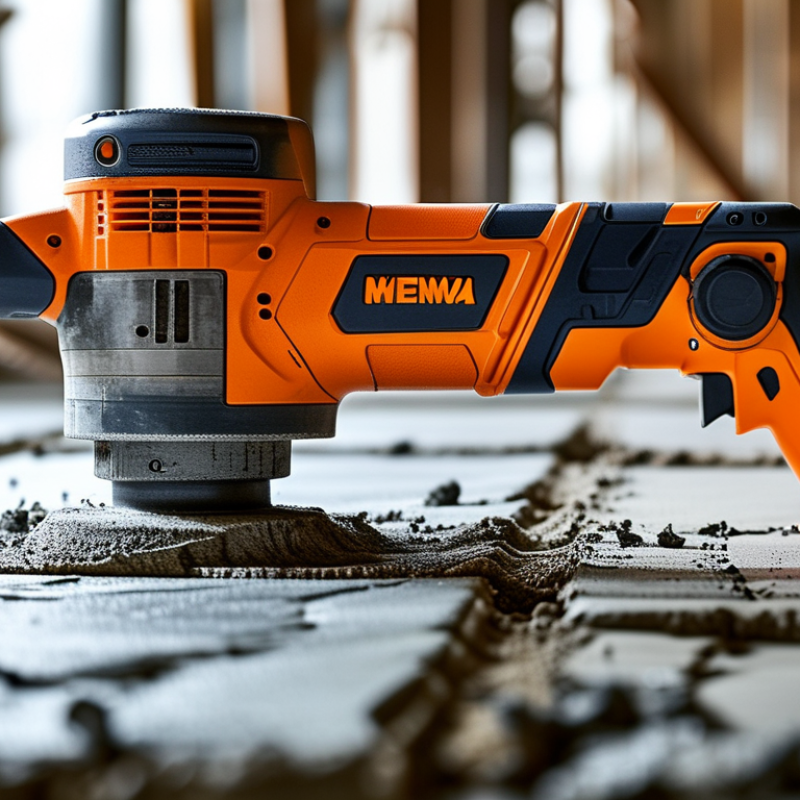
Project Requirements and Jack Hammer Specifications
Choosing the right jack hammer starts with the material, work area, and daily workload.
Concrete, asphalt, brick, and compacted soil require different impact performance. Hard concrete may need higher impact energy, while lighter masonry work benefits from better control. Tool weight also matters. A heavy hammer can penetrate quickly, but it increases fatigue during wall or overhead work.
A heavy hammer can penetrate quickly, but it increases fatigue during wall or overhead work.
Review impact energy, blows per minute, shank size, air consumption, and vibration data.
Higher BPM does not always mean faster production. The bit must match the material and the hammer’s operating range. Check the compressor’s delivered air volume, not only its advertised capacity.
The U.S. Occupational Safety and Health Administration limits construction noise exposure to 90 dBA over eight hours. NIOSH also identifies repeated hand-arm vibration as a serious occupational concern. ISO 28927-10 provides a testing method for vibration from pavement breakers and riveting hammers.
These figures should influence your selection, not sit unnoticed in a specification sheet. I still find tool weight easy to underestimate.
Test the hammer on a small section first. Compare penetration speed, operator grip, and heat after ten minutes.
Choose a model with vibration data measured under the correct standard. Leave practical reserve in the compressor calculation.
A tight workspace may justify a shorter tool, even if productivity drops slightly. That trade-off is sometimes overlooked.
Jack Hammer Types and Their Best Applications
Choosing the right jack hammer starts with the material, not the tool’s advertised power. Electric models suit indoor concrete, tile removal, and small renovation work. They offer steady output but need safe cable management. Pneumatic models work well on thick slabs, roads, and continuous demolition. They require an air compressor, hoses, and adequate airflow. Hydraulic breakers deliver high impact energy for excavators and heavy foundations. They are practical on large sites, but excessive force can damage fragile structures.
Tool weight also shapes the application. A 5–10 kg hammer supports wall chasing and overhead work. A 15–30 kg model is better for floors, asphalt, and reinforced concrete. The U.S. Geological Survey reported 1.9 billion metric tons of crushed stone production in 2023. That figure reflects the scale of aggregate work where heavy breakers often operate. Still, bigger is not always better. I have seen operators choose oversized tools and lose control quickly.
Tips: Match impact energy to material thickness. Check compressor output before selecting a pneumatic model. OSHA’s construction noise table sets a 90 dBA limit for an eight-hour exposure, while NIOSH recommends 85 dBA. Use hearing protection, vibration-reducing gloves, and planned work intervals. Inspect bits for mushroomed heads and replace damaged retainers. A short field test can reveal balance, vibration, and trigger comfort. Product charts help, but they do not replace site judgment.
Key Features for Power, Control, and Operator Comfort
Choosing the right jack hammer starts with the material, working angle, and daily workload. Concrete, asphalt, and masonry need different impact performance. Check impact energy, blows per minute, and tool weight before comparing prices. Higher power is useful, but excessive force can damage delicate surfaces or reduce control.
Control matters. A balanced jack hammer should stay stable when the bit meets hard concrete. Look for an adjustable trigger, secure side handle, and suitable bit system. The tool should also match your physical strength and the task duration. My early mistake was choosing the heaviest model, assuming it would finish faster. It caused quicker fatigue and less accurate breaking. Heavier is not always better.
Operator comfort directly affects productivity and safety. Choose effective vibration reduction, padded handles, and a grip that remains firm with dusty gloves. Check noise levels, maintenance access, cable or hose length, and recommended duty cycles. Short sessions can hide vibration problems. Long shifts reveal them. Always compare verified technical data with real job conditions, then test the tool if possible. A model that feels powerful for five minutes may become tiring after an hour. Personal protective equipment remains essential, including eye, hearing, hand, and foot protection. Even experienced operators should reassess posture, break timing, and bit condition during the work.
Choosing the Right Bit, Power Source, and Accessories
How to Choose the Right Jack Hammer for Your Project?
The bit determines how efficiently a jack hammer breaks concrete, brick, asphalt, or compacted soil. Use a pointed bit for initial penetration and narrow fractures. Choose a chisel bit for cutting channels or removing tile edges. A blunt bit works better on some hard, brittle surfaces. Match the bit shank to the hammer model exactly. A loose connection wastes energy and increases vibration.
Power source affects performance, mobility, and maintenance. Electric hammers suit indoor renovation and sites with stable power access. Pneumatic models provide strong, continuous force for demanding concrete work. They also require a properly sized air compressor and clean hoses. Hydraulic equipment handles heavy-duty jobs, but setup can be more complex. I once underestimated compressor capacity, and the tool slowed badly under pressure. Check the manufacturer’s impact rating, duty cycle, and recommended material before renting or buying.
Tips
Inspect bits before every use. Replace mushroomed or cracked ends. Add only the lubricant specified for the tool. Use vibration-reducing gloves, hearing protection, eye protection, and sturdy footwear. Keep extension cords away from water and sharp edges. Select a side handle when control matters. A dust-control attachment can improve visibility indoors. Do not force the hammer; let its impact mechanism work. That feels slower, but it usually protects both the tool and the operator.
How to Choose the Right Jack Hammer for Your Project? – Choosing the Right Bit, Power Source, and Accessories
| Project Requirement | Recommended Hammer Type | Typical Input or Performance Range | Recommended Bit | Useful Accessories | Selection Notes |
|---|---|---|---|---|---|
| Light-duty tile, mortar, and small repair work Indoor renovation and limited demolition | Compact electric demolition hammer | Approximately 5–10 kg tool weight; roughly 8–20 J impact energy | Point or narrow chisel for concentrated breaking; wide chisel for tile removal | Dust extractor, auxiliary handle, impact-rated eye protection, hearing protection | Choose a compact model for better control and reduced operator fatigue. Confirm that the electrical supply can handle the tool. |
| Breaking concrete slabs and foundations Medium to heavy demolition | Heavy electric or pneumatic jack hammer | Approximately 15–30 kg tool weight; roughly 25–60 J impact energy | Moil point for initial penetration; bull point for general breaking; flat chisel for controlled edge work | Heavy-duty extension cable or air hose, hose whip check, compressor, vibration-reducing gloves | Pneumatic models are suitable for continuous site work where a correctly sized compressor is available. |
| Road repair and asphalt removal Outdoor construction and utility work | Pneumatic jack hammer | Common operating pressure is about 6–7 bar; air consumption often ranges from approximately 1.0–2.0 m³/min, depending on tool size | Asphalt cutter or wide chisel for surface removal; moil point for deeper penetration | Air compressor with sufficient free-air delivery, lubricator, filter, hose couplings, hose restraints | Match the compressor’s delivered air volume at working pressure—not only its tank capacity—to the hammer requirement. |
| Quarrying, trenching, and remote heavy work Sites without reliable electrical power | Hydraulic jack hammer | Typical hydraulic flow is approximately 20–40 L/min at about 100–140 bar, depending on attachment size | Moil point for hard material; blunt tool for controlled impact; chisel for slotting and separation | Hydraulic power pack or carrier, correctly rated hoses, quick couplers, hose protection sleeves | Verify hydraulic flow, pressure, return-line requirements, and carrier compatibility before connecting the breaker. |
| General concrete demolition Walls, steps, curbs, and structural sections | Medium-duty electric, pneumatic, or hydraulic model | Select approximately 15–40 J impact energy for common concrete demolition, subject to material thickness | Point for starting cracks; flat chisel for splitting and trimming; scaling chisel for surface removal | Side handle, dust-control system, anti-vibration gloves, hearing protection, face shield | Higher impact energy is not always better; excessive force can damage surrounding material and increase fatigue. |
| Removing brick, block, and masonry Controlled demolition and repointing preparation | Light- to medium-duty electric hammer | Approximately 8–25 J impact energy, depending on wall thickness and material strength | Flat chisel for controlled separation; narrow chisel for joints and mortar removal | Dust extraction, masonry chisel set, protective goggles, respirator suitable for generated dust | Use a narrower tool and lower impact energy when preserving adjacent bricks or finished surfaces. |
| Long-duration professional operation Multiple shifts or frequent daily use | Pneumatic or hydraulic hammer with vibration-control features | Choose according to required impact energy, air or hydraulic supply, duty cycle, and operator exposure limits | Use the bit profile that matches the material; replace worn or mushroomed tools promptly | Anti-vibration mount, ergonomic handle, automatic lubricator, spare retainers, maintenance kit | Prioritize vibration emission, service intervals, tool balance, and maintenance access over maximum impact power alone. |
| Work in confined or poorly ventilated areas Basements, tunnels, and interior spaces | Electric or pneumatic hammer | Select a tool size that allows safe body positioning and clear access to the work surface | Short point or flat chisel for improved control in restricted spaces | Ground-fault protection, dust extraction or wet suppression where appropriate, low-profile hose or cable routing | Avoid gasoline-powered equipment indoors because engine exhaust can create dangerous carbon monoxide levels. |
Safety, Maintenance, and Total Project Cost
How to Choose the Right Jack Hammer for Your Project?
Choosing a jack hammer starts with the material, not the advertised impact power. Concrete slabs, masonry walls, and compacted soil require different impact levels and tool weights. A heavier model may break concrete faster, but it can quickly fatigue an operator. That fatigue increases handling errors and accident risks. Check vibration ratings, noise levels, handle design, and compatibility with required bits. Confirm underground utility locations before breaking any surface.
Safety affects the total project cost. Operators should wear eye, hearing, respiratory, and foot protection suited to the site. Dust control may require wet cutting or suitable extraction equipment. Keep both hands secure, maintain stable footing, and allow regular recovery breaks. Never force a bit through resistant material. A damaged bit can create flying fragments. It can also reduce productivity. Follow the equipment manual and applicable workplace rules.
Tips: Inspect the power cable, air hose, bit, and retaining system before every shift. Clean ventilation openings after use. Lubricate moving parts according to the maintenance schedule. Record unusual vibration, heat, or noise immediately. These small checks prevent expensive downtime. Include rental fees, electricity or compressor fuel, replacement bits, labor, hearing protection, dust control, and repairs in your estimate. I have seen teams choose the cheapest tool and spend more on delays. That mistake is easy to repeat. Recheck the calculation.