What is Hand Retractable Spring Plunger and How to Use it?
A Hand Retractable Spring Plunger is a versatile tool commonly used in various mechanical applications. It serves as a simple yet effective locking mechanism. This device allows for quick engagement and disengagement, making it ideal for situations requiring frequent adjustments. With precise engineering, it enhances both the functionality and efficiency of numerous machines.
Understanding how to use a Hand Retractable Spring Plunger can significantly improve workflow. This tool provides a reliable solution when securing components. However, improper use can lead to malfunctions or safety hazards. Familiarizing oneself with its operational mechanics is crucial for optimal performance.
In practice, the Hand Retractable Spring Plunger can be found in furniture, automotive, and manufacturing sectors. Its adaptability demonstrates its importance in everyday applications. Users should approach its utilization thoughtfully, considering the potential for misuse. Reflecting on these aspects ensures that one maximizes the benefits of this innovative tool.
What is a Hand Retractable Spring Plunger?
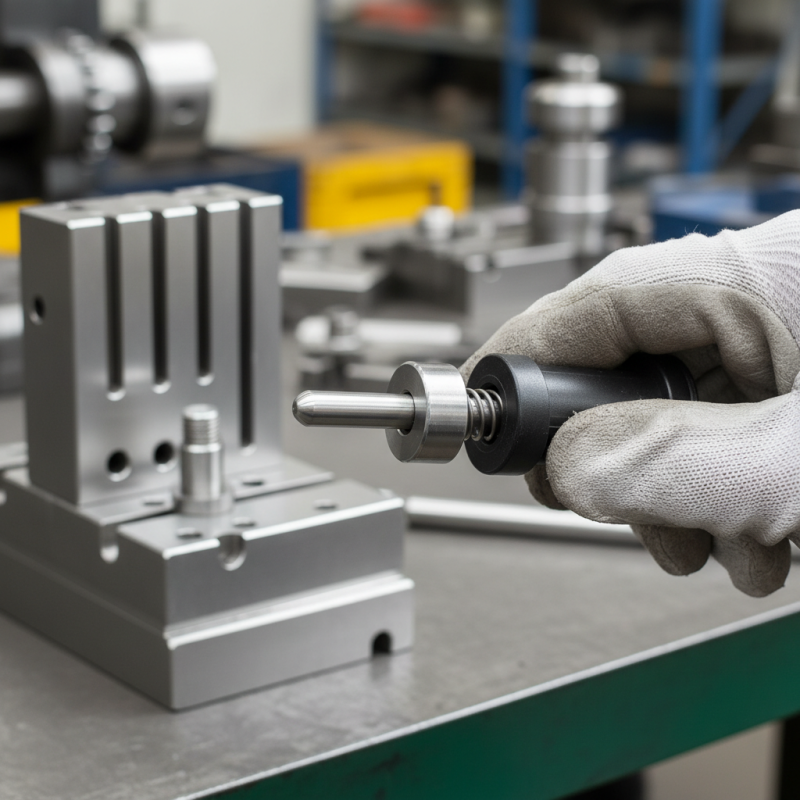
A hand retractable spring plunger is a mechanical device used for holding or positioning parts in a variety of applications. It features a spring-loaded mechanism that allows for easy engagement and disengagement. The plunger can be pressed down to lock in place and released to retract. This function enables quick adjustments during assembly or disassembly without needing tools.
In many industries, these plungers are preferred for their simplicity and reliability. They come in various sizes and specifications, allowing them to fit different contexts. The materials used, such as stainless steel or plastic, ensure durability and resistance to wear. However, users must be cautious. Overusing the mechanism can lead to wear and might compromise its reliability. Regular inspection will help maintain its effectiveness over time.
Installation requires careful consideration of placement. An incorrect fit can reduce function and increase effort needed for operation. Ensure the component aligns with existing structures. A mismatch can complicate operations and reduce effectiveness. Testing the plunger after installation can highlight any issues early. Being aware of these nuances is crucial for optimal performance.
Components and Mechanism of Hand Retractable Spring Plunger
Hand retractable spring plungers are essential components in many mechanical systems. These devices are typically used for quick fastening or positioning. Their design includes a spring, a plunger, and a casing. The spring allows the plunger to retract smoothly when needed. The casing protects the internal mechanism and ensures durability.
The mechanism operates by compressing the spring when force is applied. This action locks the plunger into place. When pressure is released, the spring expands, retracting the plunger. Proper installation is crucial for optimal functionality. Misalignment can lead to ineffective operation. Regular maintenance is also important. Check for wear and tear in the spring and plunger. A damaged part can cause failures in the system.
In conclusion, understanding the components and mechanism helps users effectively employ hand retractable spring plungers. This knowledge promotes better use and maintenance. Users should remember that experience is key in troubleshooting issues. Practicing with different applications will improve proficiency over time.
Applications of Hand Retractable Spring Plunger in Various Industries
Hand retractable spring plungers play an essential role across various industries, providing a simple yet effective solution for securing components. In manufacturing setups, these devices are utilized for quick and reliable alignment of parts. Their push-button mechanism allows operators to engage or disengage the device swiftly, enhancing productivity during assembly processes.
The automotive sector benefits significantly from hand retractable spring plungers. They are often used to hold panels or other components in place during assembly tasks. Their compact size makes them ideal for tight spaces, where traditional fasteners may not fit. However, reliance on these plungers must be weighed against potential wear and tear over time. Regular inspection is crucial to ensure they function correctly.
In the furniture industry, these plungers facilitate easy disassembly of products. This feature is particularly useful for flat-pack furniture, simplifying storage and transport. However, there can be challenges with maintaining consistent pressure, leading to less reliable connections. Industries must carefully evaluate their application needs before fully integrating spring plungers into their designs. Understanding their limitations ensures optimized performance across various applications.
Step-by-Step Guide on How to Use a Hand Retractable Spring Plunger
Using a hand retractable spring plunger is straightforward once you grasp its mechanics. Start by aligning the plunger with the desired hole or opening. Make sure the area is clear of obstructions. The plunger needs to be inserted directly into the fixture or workpiece. This part is crucial for effective use.
Next, apply gentle pressure to the plunger. It should retract smoothly. If you notice any resistance, check the alignment. An angled insertion could lead to complications. Once the plunger is fully engaged, it holds securely in place. You can release the pressure to allow for retraction when needed.
Regularly inspect your spring plunger for wear or damage. A malfunctioning plunger can cause frustration. If the spring loses tension, it will not retract properly. Testing it periodically will maintain reliability. Remember, practice allows for mastery. Each attempt teaches valuable lessons in precision.
Maintenance Tips for Hand Retractable Spring Plungers
Hand retractable spring plungers are essential components in various mechanical applications. Regular maintenance can significantly extend their lifespan and enhance operational efficiency. Improper care can lead to unexpected failures. According to a recent industry report, about 30% of mechanical failures arise from insufficient maintenance.
To maintain these plungers, regular cleaning is crucial. Use a soft cloth to remove debris and dust. Lubrication with appropriate oils helps prevent rust and ensures smooth operation. Surprisingly, many users neglect lubrication, which can lead to friction and wear. It is advisable to inspect plungers quarterly for wear and tear. Look for signs of corrosion or deformation. Early detection can save costs down the line.
Environmental factors also play a role. High humidity can corrode metal parts quickly. Employ moisture-resistant coatings where necessary. This simple step can increase longevity. A study from the Mechanical Maintenance Association found that equipment life could be extended by 20% with proper environmental controls. Even with the best practices, occasional failures will happen. Staying informed about troubleshooting techniques can minimize downtime effectively.
Hand Retractable Spring Plunger Usage Statistics