How to Choose the Right Industry Specific FIBC for Your Needs?
Choosing the right Industry-Specific FIBC (Flexible Intermediate Bulk Container) can significantly impact your operations. The FIBC market is diverse, offering various options tailored for specific industries. Understanding your needs is crucial for optimal selection.
Each industry has unique requirements. For example, food-grade Fibcs are essential for the food sector, while chemical-resistant options are critical for the chemical industry. Recognizing these factors helps ensure compliance and product safety. The right Industry-Specific FIBC can improve efficiency and reduce costs.
However, the selection process is not always straightforward. With numerous materials, designs, and certifications available, mistakes can lead to complications. Reflect on what is truly needed. Engage with suppliers who possess expertise. Their knowledge can guide you toward the most suitable solution, enhancing both reliability and effectiveness in your operations.
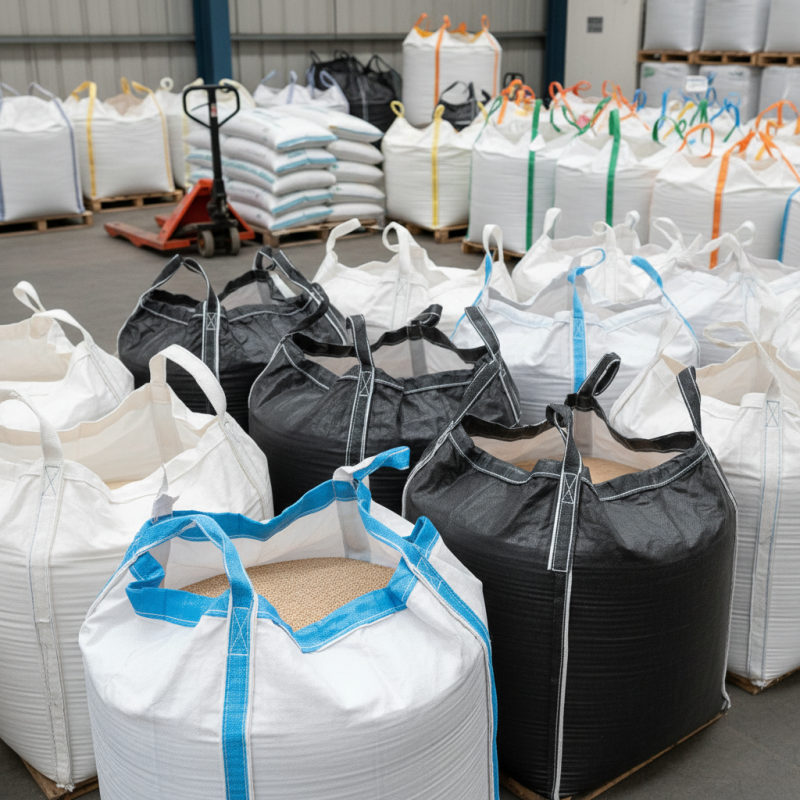
Understanding FIBC Types: A Guide to Industry-Specific Variants
When it comes to selecting the right FIBC (Flexible Intermediate Bulk Container) for specific industries, understanding the various types is crucial. Each industry has unique requirements. For food-grade applications, FIBCs must adhere to strict hygiene standards. They often feature a smooth interior to prevent contamination, and their materials are carefully selected. In contrast, chemical industries require FIBCs that can withstand harsh substances. These often come with specialized coatings to enhance durability.
Different shapes and sizes are worth considering. Some sectors may benefit from bulk bags with a circular design, enhancing stability during transport. Others might prefer square designs for easy stacking. The weight capacity is another factor. While certain industries handle heavier products, it's essential to choose an FIBC with a suitable safe load limit. This ensures the safety of workers and the integrity of the materials.
Reflecting on the choices, it's important to analyze how specific needs align with available FIBC options. A mismatch can lead to operational challenges. It is essential to engage with suppliers who have expertise in these variations. The goal is to find a reliable, industry-specific FIBC that meets not only functional demands but also safety standards. The process can be complex, but making informed decisions is beneficial in the long run.
FIBC Types: Understanding Industry-Specific Variants
This chart illustrates the distribution of different industry-specific FIBC (Flexible Intermediate Bulk Container) types based on their applications. The data reflects common usage areas in various sectors.
Key Factors in Choosing FIBCs: Size, Fabric, and Load Capacity
When selecting the right industry-specific flexible intermediate bulk container (FIBC), understanding key factors is crucial. Size, fabric, and load capacity are paramount. A study from the FIBC Market Report indicates that proper size selection can reduce transportation costs by 30%. This makes it essential to assess the dimensions needed for your product.
Fabric choice impacts both
durability and application. For instance,
woven polypropylene is common and offers great strength. However, some applications require additional
UV protection or
moisture resistance. The right fabric not only prolongs the FIBC's lifespan but also ensures that the content remains secure and intact.
Tips: Always verify load capacity. Exceeding can lead to failures or safety hazards. Consider your products—bulk powders may need different specifications than granular items.
In reviewing load capacity, the FIBC should be rated according to the type of material it will hold. Overloading can
result in accidents. Industry data suggests that around
15% of accidents relate to improper load capacity management. Therefore, make your selection based on reliable data and expert recommendations to ensure safety and efficiency.
Industry Standards and Regulations: Ensuring Compliance for Safety
When selecting an industry-specific FIBC (Flexible Intermediate Bulk Container), compliance with industry standards is paramount. Regulations, such as ISO 21898, set the baseline for safety and performance. For instance, FIBCs used in the food industry must adhere to specific hygiene standards. This ensures contaminants do not compromise product safety. According to a 2022 report by the Flexible Intermediate Bulk Container Association, nearly 30% of FIBC failures were linked to non-compliance with these standards.
Proper labeling is another aspect of compliance. Labels must clearly indicate weight limits and handling instructions. Mislabeling can lead to accidents and severe liabilities. Additionally, certain industries, like pharmaceuticals, require FIBCs made from specific materials to prevent contamination. Reports show that compliance increases operational efficiency by up to 25%, highlighting its importance.
Inspection and testing play crucial roles in ensuring durability and safety. Regular audits help identify non-compliance issues. According to industry data, approximately 15% of FIBCs fail quality checks. This highlights the need for stringent adherence to regulations. Non-compliance not only endangers safety but also impacts supply chain reliability. Maintaining a commitment to these standards is essential for any business utilizing FIBCs.
Evaluating FIBC Performance: Testing Methods and Certifications
When selecting an industry-specific FIBC (Flexible Intermediate Bulk Container), performance evaluation is critical. Testing methods are essential to ensure that the selected FIBC meets the specific requirements of your application. Common tests include tensile strength, durability, and electrostatic discharge. These tests provide insights into how the FIBC will perform under various conditions.
Certifications play a vital role in establishing reliability. Look for certifications that indicate compliance with industry standards. These can include ISO, FDA, or UN certifications. Each certification signifies that the product has undergone rigorous testing. They assure users of the FIBC's safety and functionality.
It’s important to consider how testing results may vary across different applications. Not all FIBCs perform the same under different conditions. Reflecting on your specific needs will guide better choices. A thorough understanding of testing methods and certifications can help mitigate risks in your operations. By prioritizing reliable data, you can enhance your overall efficiency and safety.
Cost-Benefit Analysis: Balancing Quality and Budget in FIBC Selection
When selecting an industry-specific Flexible Intermediate Bulk Container (FIBC), cost and quality often collide. A recent report from the International FIBC Association highlights that the market for FIBCs is projected to reach $4.2 billion by 2025. This growth underscores the vital role of balancing cost and quality for businesses, as FIBCs are crucial for efficient bulk material handling.
Investing in high-quality FIBCs can reduce long-term costs. Poor-quality containers may lead to product loss, increased waste, and even workplace accidents. The same report indicates that up to 30% of companies experience substantial financial losses due to subpar packaging solutions. However, the question lies in how much to allocate for quality versus staying within budget constraints.
Making a cost-benefit analysis is essential. It’s not always clear how much to spend. For instance, opting for cheaper FIBCs may seem wise initially, but higher failure rates could result in unexpected expenses. Businesses should meticulously assess their specific material needs and the environments these containers will face. Sometimes, it may be prudent to invest more upfront to avoid unforeseen costs later. Ultimately, the choice hinges on the interplay of durability, safety, and budgetary limits.