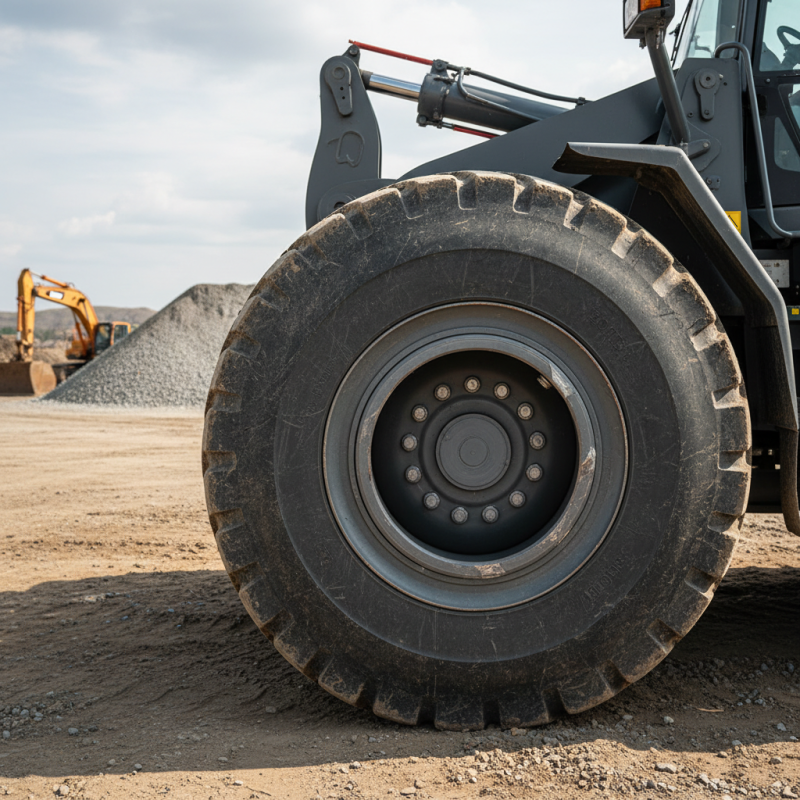
2026 How to Choose the Best Loader Rims for Your Needs?
Selecting the right Loader Rims is crucial for heavy machinery and construction equipment. The rim's design affects performance and efficiency. According to industry reports, approximately 30% of equipment failures are attributed to improper wheel and rim selection. This underscores the importance of choosing rims that match your specific loader models.
Loader Rims come in various materials and sizes. Steel and aluminum are the most common. Each has distinct advantages, like weight and durability. However, some users overlook how local terrain can impact their choice. Rims that work well on flat terrain might struggle in rugged environments.
It's not just about the initial cost. Investing in high-quality Loader Rims can lead to fewer maintenance issues and longer service life. A reliable rim can ultimately save time and reduce downtime. Therefore, considering all these factors will help ensure you make an informed decision.
Understanding Loader Rims: An Overview of Types and Materials
When selecting loader rims, understanding the various types and materials is essential. Loader rims primarily come in two categories: steel and aluminum. Steel rims are known for their robustness and capacity to withstand heavy loads. They provide durability in harsh conditions, making them a popular choice for construction sites.
Aluminum rims, on the other hand, are lighter and often preferred for speed and fuel efficiency. They can enhance the performance of loading machinery by reducing the overall weight. However, they may not offer the same level of protection against impacts, raising questions about their longevity in rugged environments.
It's crucial to consider the specific needs of your operations. For example, if your work involves frequent heavy lifting, steel rims might be the better option. Conversely, if speed and agility are a priority, aluminum could be more suitable. Reflect on these factors carefully. Balancing durability with weight limitations requires thoughtful analysis.
Key Factors to Consider When Choosing Loader Rims
When selecting loader rims, prioritize material strength and durability. Steel and alloy are common options, each with benefits. Steel rims are robust and cost-effective. Alloy rims are lighter, improving fuel efficiency. However, they may not be as strong under extreme conditions.
Size is critical for loader rims. Ensure the dimensions fit your equipment specifications. An ill-fitting rim can lead to mishaps and costly repairs. Also, consider the load capacity. What work will you do? Heavy-duty tasks demand stronger rims.
Lastly, reflect on tire compatibility. The right rim should support your tire type. Mismatched components can create safety hazards. Regularly inspecting rims for wear is essential. Even a small crack can lead to significant issues. Be proactive, not reactive, with your equipment.
Assessing Load Capacity and Compatibility with Your Loader
Choosing the right loader rims requires careful consideration of load capacity and compatibility. Each loader has a specific weight limit, which must be matched with the rims. According to a report by the Machinery Research Institute, incorrect rim sizing can reduce load capacity by up to 25%. This emphasizes the need to check specifications before making a selection.
Compatibility is another critical factor. Rims must align with the loader's hub dimensions and bolt patterns. Some loaders struggle with standard rims, leading to faster wear and safety issues. An industry analysis from Loader Dynamics suggests that mismatched rims can lead to mechanical failures. It’s crucial to consult technical guides or professionals when in doubt.
When evaluating options, don't simply focus on aesthetics. Materials and construction matter significantly. Steel rims might offer durability, but they may add weight. In contrast, aluminum rims can enhance performance but may not withstand heavy loads as well. It's important to balance these factors based on your specific applications and terrain conditions. Ultimately, mindful choices in rim selection can enhance loader performance and ensure longevity.
2026 How to Choose the Best Loader Rims for Your Needs? - Assessing Load Capacity and Compatibility with Your Loader | Loader Type | Rim Size (inches) | Load Capacity (lbs) | Material | Compatibility |
| Compact Loader | 16 x 6 | 3000 | Steel | Universal |
| Medium Loader | 18 x 8 | 5000 | Aluminum | OEM Specific |
| Heavy-Duty Loader | 20 x 10 | 8000 | Steel | Heavy Machinery |
| Skid Steer Loader | 14 x 6 | 2000 | Aluminum | Universal |
| Backhoe Loader | 22 x 12 | 10000 | Steel | OEM Specific |
Exploring Tire Types and Their Impact on Rim Selection
When selecting loader rims, understanding tire types is crucial. Different tires perform differently based on their tread patterns and materials. For instance, solid tires are durable but may not provide the best grip. Pneumatic tires offer comfort but can be susceptible to punctures. Knowing how these characteristics affect performance can guide your rim choices effectively.
Tire types influence rim width and diameter. Wider tires often need broader rims, which affects stability and load capacity. Opting for rims that match tire specifications ensures balanced support. Such alignment contributes to better vehicle handling, especially under heavy loads. It’s essential to review compatibility carefully; mismatches can lead to accelerated wear or safety issues.
Consider the environment where the loader will operate. Aggressive terrains require specific tire styles, influencing rim strength and size. Some users overlook this detail, leading to unanticipated costs or accidents. Evaluating terrain and expected loads reflects a deeper understanding of your needs. Take time and conduct thorough research to enhance your rim selection process.
Maintenance Tips for Maximizing the Lifespan of Loader Rims
When it comes to maintaining loader rims, proper care is crucial. Regular inspections can prevent costly damage in the long run. Look for cracks or wear on the rims. Even small issues can lead to larger problems if left unaddressed. It’s essential to check the air pressure routinely to ensure safety.
Here are some helpful tips for upkeep. Clean the rims after each use. Dirt and debris can cause corrosion over time. Applying a protective coating will shield against rust. Make sure to store the loader in a dry area to avoid exposure to moisture.
Remember, not all maintenance is straightforward. It's easy to overlook wear patterns. If you notice unusual vibrations, investigate promptly. Ignoring these signs can result in more significant repairs. Keeping a maintenance log can help track usage and issues that arise. This approach fosters reliability and extends the lifespan of your loader rims.
2026 Loader Rims Selection Insights
In 2026, when selecting loader rims, it's essential to consider various criteria such as durability, weight capacity, material quality, cost, and compatibility. The bar chart above illustrates the importance level of each criterion, helping you make informed decisions to maximize the lifespan of your loader rims.