How to Choose the Best Handheld Scanner for Your Needs?
Choosing the right Handheld Scanner can greatly enhance your productivity. In recent years, the demand for these versatile devices has surged. According to a report by Technavio, the global market for handheld scanners is expected to grow by over 5% annually until 2025. This growth reflects the increasing reliance on digitization across various industries.
Expert insights emphasize the importance of selecting a scanner that meets specific needs. Howard Jenkins, a leading authority in scanning technology, states, "A well-chosen Handheld Scanner can transform data capture processes." His words highlight the need for thoughtful consideration when choosing among various devices available today.
Many models exist, but not all are suitable for every user. Scanners vary in aspects such as resolution, speed, and connectivity. Assessing these features can be tricky. Some users may overlook essential specifications, risking performance issues. Remember, the perfect Handheld Scanner is the one that aligns with your unique requirements. Consider your specific use case before making a decision.
Understanding Your Scanning Needs and Purpose
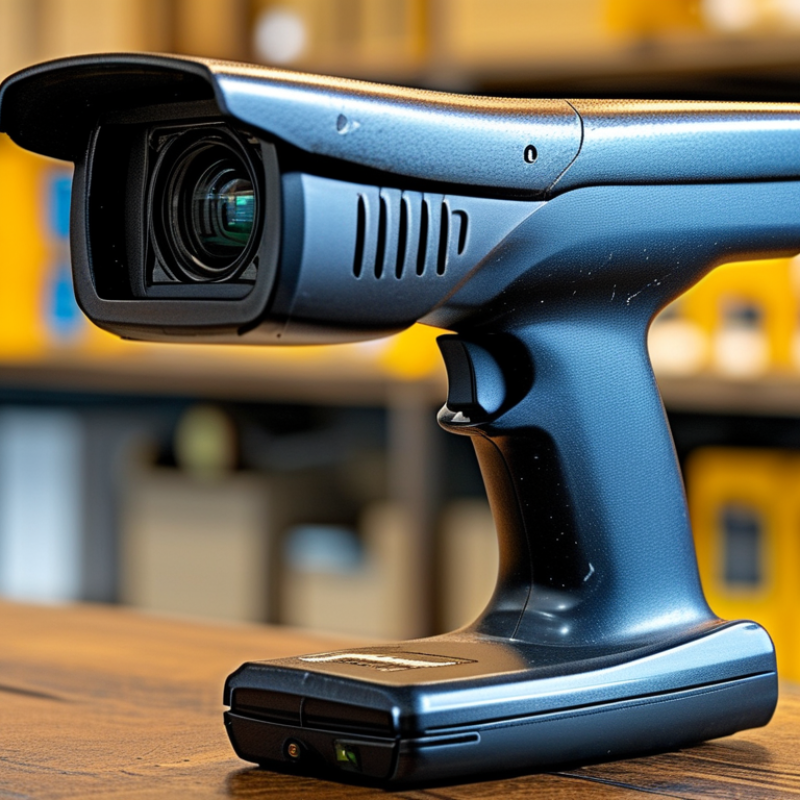
Choosing the right handheld scanner starts with understanding your specific needs. Consider what you will scan most often. Is it documents, photos, or barcodes? Knowing this helps narrow down your options significantly. For example, if you scan a lot of text-heavy documents, you might prioritize resolution. If you often capture images, color fidelity may be more important.
Another factor to consider is portability. Handheld scanners vary in size and weight. If you plan to carry it around, a compact, lightweight model is essential. Think about battery life as well. A scanner that runs out of power quickly can hinder productivity. Reflect on your typical usage patterns. Will you need to scan multiple pages in one sitting? Consider whether a feeder option is necessary.
It’s also wise to review user feedback from trusted sources. This can provide insights into reliability and performance. Sometimes, specifications on paper don’t translate into real-world usability. Pay attention to features like software compatibility and ease of use. If a scanner is difficult to operate, it might not be worth the investment. Understanding your scanning needs ensures you find the best tool for your work.
Handheld Scanner Comparison Based on Key Features
Key Features to Consider in a Handheld Scanner
When selecting a handheld scanner, there are key features to evaluate. Consider the resolution, which affects image quality. A higher DPI ensures clearer scans. If you are aiming for professional-grade documents, look for scanners with at least 300 DPI.
Portability is another crucial factor. Many handheld scanners are lightweight and battery-operated. They should easily fit in your bag without weighing you down. However, lightweight designs may sacrifice durability. Think about how you plan to use the scanner in various environments.
Battery life can also impact your experience. Scanners with longer battery life allow prolonged usage without frequent recharging. In some cases, having a USB charging option could enhance convenience. However, consider the trade-off between battery life and scan speed.
Tips: Read user reviews to gauge performance over time. Some models may not hold up well with extensive use. Test out the scanner before purchasing if possible. This ensures it meets your scanning needs effectively. Always keep in mind your specific requirements for optimal choices.
Comparing Different Types of Handheld Scanners
When selecting a handheld scanner, understanding the types available is crucial. There are several categories to consider based on functionality. Document scanners are designed for quick digitization of paper documents. They usually offer high speed and great resolution. However, they may struggle with irregularly shaped or bound items.
Another option is a portable image scanner. These devices are ideal for scanning photographs or small articles. They provide flexibility since they can operate without a power source. Yet, they often have a lower scanning speed compared to document scanners, making them less efficient for larger projects.
Some handheld scanners come with OCR (Optical Character Recognition) features. This technology allows you to convert scanned text into editable files. While this can save time, accuracy can vary based on the quality of the scan. Users might find that simple text scans yield better results than complex layouts. It’s important to match your scanning needs with the specific features of each type for effective use.
Evaluating Price vs. Performance in Handheld Scanners
When evaluating handheld scanners, price and performance are key factors. A lower price often comes with limited features. Scanners with advanced capabilities can be much more expensive. You want to find a balance. Look for a scanner that suits your specific needs without overspending.
Consider what you need the scanner to do. Are you scanning documents, photos, or receipts? The required resolution might vary. Some users may need high-quality scans, while others may prioritize portability. An affordable model could suffice for basic tasks. In contrast, professionals may need higher performance for detailed work. Remember, the performance does not always match the price tag.
It’s easy to get caught up in the latest technology. Yet, newer models might not truly meet your needs. Researching reviews and seeking expert opinions can be beneficial. Trustworthy sources can help you identify which models offer the best value. Reflect on what features are essential for you. In the end, the right choice is one that aligns with both budget and functional requirements.
User Reviews and Recommendations for Handheld Scanners
When selecting a handheld scanner, user reviews play a crucial role. Many individuals share their experiences online. They discuss usability, portability, and performance. A common theme is the weight of the scanner. Lighter models are often preferred for prolonged use. Some users mention that a compact design can significantly enhance their scanning experience.
Battery life is another frequent topic in user reviews. Many users express frustration over devices that require frequent charging. They often recommend models that have a long-lasting battery. A device that can scan a full day without needing to recharge is highly valued. Additionally, clarity of scanned documents is essential. Users highlight how grainy images can hinder their work.
However, not all reviews are positive. Some users have pointed out that certain models have compatibility issues. They find challenges when trying to connect to various devices. Compatibility can be a deal breaker for many. Others have mentioned that customer service is not always helpful when issues arise. Reflecting on such experiences can provide insights for those looking to make an informed decision.