China Top 10 Bellows Valve Manufacturers 2026
China’s bellows valve industry has become an important source of engineered flow-control equipment. Its manufacturers serve chemical processing, power generation, vacuum systems, pharmaceuticals, and semiconductor facilities. This guide, China Top 10 Bellows Valve Manufacturers 2026, examines companies with practical production capabilities and established market experience.
The selection considers manufacturing scale, material control, testing procedures, customization, certifications, and after-sales support. It also reviews stainless steel, alloy, and high-temperature options for demanding service conditions. Bellows Valves must prevent external leakage while handling pressure, temperature, vibration, and repeated cycling. Small details matter. Weld quality matters. So does documentation.
Several manufacturers highlight clean workshops, automated welding, helium leak testing, and traceable inspection records. These features can help buyers compare suppliers beyond attractive catalog photographs. However, rankings are not permanent. Public information may vary, and factory capability can change after an audit or equipment upgrade. That limitation deserves attention.
This overview uses an engineering-focused approach rather than relying only on company claims. It considers product evidence, application knowledge, customer feedback, and visible quality practices. Readers should still request current certificates, test reports, material records, and sample evaluations before placing an order. A supplier may perform well in vacuum service but lack experience with corrosive media. Another may offer strong customization but have longer delivery times.
The following manufacturers are presented as credible candidates for 2026 sourcing research. Their strengths are not identical. Careful comparison remains essential.
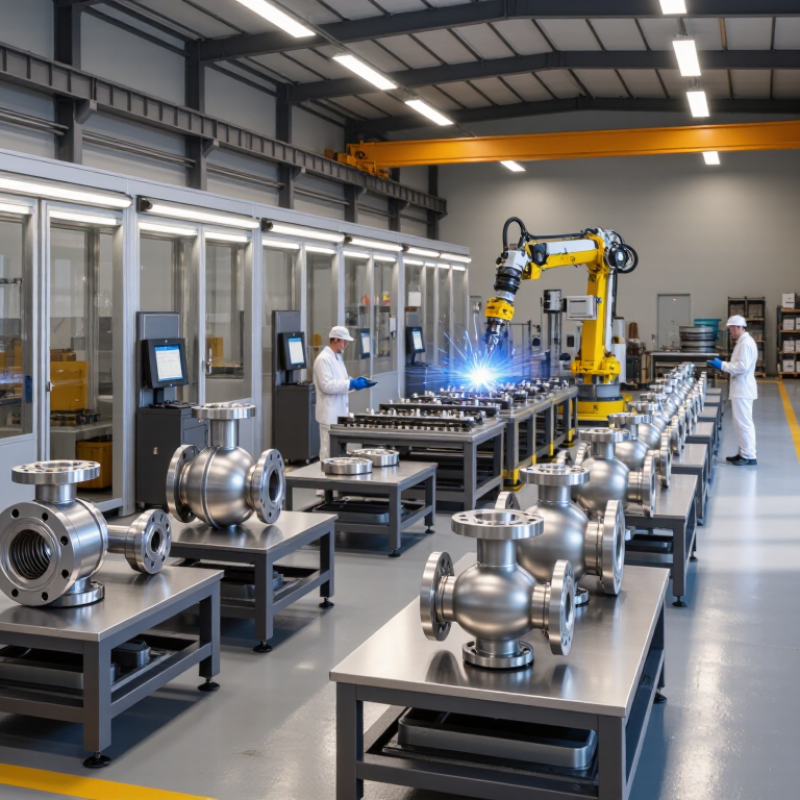
What Are Bellows Valves and Why Are They Important?
Bellows valves use a flexible metal bellows to isolate the valve stem from the process fluid. This design removes the usual stem-packing leakage path. It matters when plants handle toxic, corrosive, radioactive, or high-purity media. In field inspections, small packing leaks often appear around warm valve bonnets. Bellows valves reduce that exposure risk. They also protect the fluid from outside contamination.
The U.S. Environmental Protection Agency identifies valves as a major source of equipment-leak emissions in process facilities. Its equipment-leak guidance shows why stem sealing deserves close attention. MarketsandMarkets reports that the global industrial valves market is expected to grow steadily through 2028, driven by energy, chemical, and water infrastructure. Bellows valves occupy a narrower, more demanding segment within that expansion. Their value depends on weld quality, bellows fatigue resistance, pressure rating, and correct installation. Not every application needs them. That distinction matters. A poorly selected bellows valve can create excessive maintenance costs or fail under repeated thermal cycling. Engineers should review cycle frequency, temperature changes, vacuum conditions, and cleaning requirements before approval. ISO 15848 testing can help verify fugitive-emission performance, but laboratory results cannot replace site-based inspection. Specifications sometimes look complete. Reality is less tidy. For China’s leading manufacturers in 2026, documented testing, traceable materials, and responsive technical support should matter as much as production capacity.
How to Evaluate Chinese Bellows Valve Manufacturers in 2026
China Top 10 Bellows Valve Manufacturers 2026
Evaluating Chinese bellows valve manufacturers requires more than comparing catalog prices. Start with the application: pressure, temperature, media, cycling frequency, and installation orientation. A reliable supplier should explain how the bellows design suits these conditions. Ask for material certificates, dimensional drawings, and pressure-test procedures. Vague answers deserve caution.
Visit the factory when possible, or request a live production audit. Check machining areas, welding stations, cleaning rooms, and final inspection records. Look for traceability from raw material to finished valve. Helium leak testing can reveal weaknesses that ordinary pressure testing may miss. Review sample reports, not only template documents. The details matter.
Talk with the engineering team about fatigue life and repeated thermal movement. A strong manufacturer should discuss cycle testing with measurable acceptance criteria. Confirm whether testing reflects your real operating conditions. Some suppliers provide impressive data, but the test temperature or cycle range may be too gentle. That is easy to overlook.
Certification also needs careful review. Verify the issuing body, certificate scope, validity, and product model. Do not assume a general factory certificate covers every valve. After-sales support is equally important. Clarify spare parts, response time, inspection support, and documentation language. No supplier looks perfect. Your evaluation should record weaknesses, not hide them. That uncomfortable record may prevent a costly failure later.
China Top 10 Bellows Valve Manufacturers 2026
How to Evaluate Chinese Bellows Valve Manufacturers in 2026
This buyer-oriented scorecard uses measurable criteria commonly required for industrial bellows valve procurement. The percentages are suggested evaluation weights rather than company rankings or market-share data. Buyers should verify pressure-temperature ratings, helium leak-test records, material certificates, quality-system documentation, delivery performance, and after-sales support before selecting a supplier.
China’s Top 10 Bellows Valve Manufacturers Ranked by Key Criteria
China Top 10 Bellows Valve Manufacturers 2026
China’s Top 10 Bellows Valve Manufacturers Ranked by Key Criteria
This 2026 ranking evaluates manufacturers through practical, measurable criteria. Product reliability comes before factory size or marketing claims. The review considers bellows material, pressure ratings, leak performance, machining accuracy, and testing depth. Stainless steel selection matters, especially in corrosive or high-temperature systems. Manufacturers with traceable materials and documented test records receive stronger consideration. Field experience also reveals details that catalogs often miss.
Engineering capability separates the leading ten from ordinary suppliers. Strong manufacturers can adapt valve dimensions, connection types, actuator options, and cleaning requirements. Their design teams should understand vacuum service, semiconductor processing, chemical lines, and thermal cycling. Quality systems, welding control, inspection equipment, and delivery consistency also affect the ranking. After-sales response matters when a valve fails during scheduled maintenance. A low purchase price may hide higher replacement costs. That point is easy to overlook.
Tips: Ask for material certificates, helium leak results, cycle-test data, and drawing approval procedures. Confirm whether testing covers the actual operating pressure and temperature. Request sample inspection records, not only general certificates. Compare total ownership cost, including spare parts and maintenance time. Factory visits can help, but they are not perfect proof. My own evaluation would leave room for revision because performance data may vary between batches and applications. Verify everything before placing a large order.
Products, Industries, and Technologies Offered by Leading Manufacturers
China’s leading bellows valve manufacturers serve demanding applications with welded bellows globe valves, angle valves, control valves, and vacuum isolation valves. Their products commonly support semiconductor fabrication, pharmaceutical processing, chemical plants, food production, power generation, and research laboratories. Cleanroom-compatible designs may use 316L stainless steel, electropolished flow paths, and low-particle packaging. High-temperature services often require stronger alloys and carefully selected gaskets.
Manufacturing quality depends on more than the valve body. Precision bellows forming controls stroke life and reduces fatigue risk. Automated orbital welding can improve joint consistency, while helium leak testing helps verify sealing performance. Some suppliers provide vacuum ratings near 10⁻⁹ mbar·L/s, although test methods and acceptance limits must be checked carefully. Digital traceability, pressure testing, material certificates, and cycle-life records add practical value for engineers and auditors.
Customization is another major feature across the top ten market segment. Options may include pneumatic actuators, position feedback, extended stems, heating jackets, and special flange standards. However, a broad catalog does not always mean better field performance. Installation errors, unsuitable media, or excessive cycling can shorten service life. Buyers should compare test evidence, replacement support, surface-finish data, and actual operating conditions instead of relying on polished claims. Even experienced teams sometimes overlook maintenance access.
How to Select the Right Chinese Bellows Valve Supplier for Your Needs
Selecting a Chinese bellows valve supplier requires more than comparing unit prices. A top-ten list can narrow the search, but it cannot replace technical verification. Match the valve design to your medium, pressure, temperature, and operating cycles. Request drawings, weld details, pressure ratings, and documented test procedures. A capable manufacturer should explain why formed or welded bellows suit your service. Clear answers matter.
During evaluation, request material certificates for the body, stem, and bellows. Verify heat numbers against inspection records. Review helium leak results, shell tests, seat tests, and cycle-life data. Check quality certification scope, not only certificate logos. If possible, arrange a video or independent factory audit. Inspect clean assembly areas, calibration labels, weld traceability, and nonconformance records. A polished brochure is not proof. Real evidence is.
I once trusted a neat sample too quickly. That was a mistake. Confirm whether the supplier controls dimensions across repeat orders, not only one impressive sample. Put lead times, spare-part availability, technical communication, and warranty handling in writing. Ask how design changes receive approval and how urgent failures are investigated. Compare sample quality with production records. Small gaps often become expensive delays. A reliable supplier accepts detailed questions and provides consistent, traceable answers.