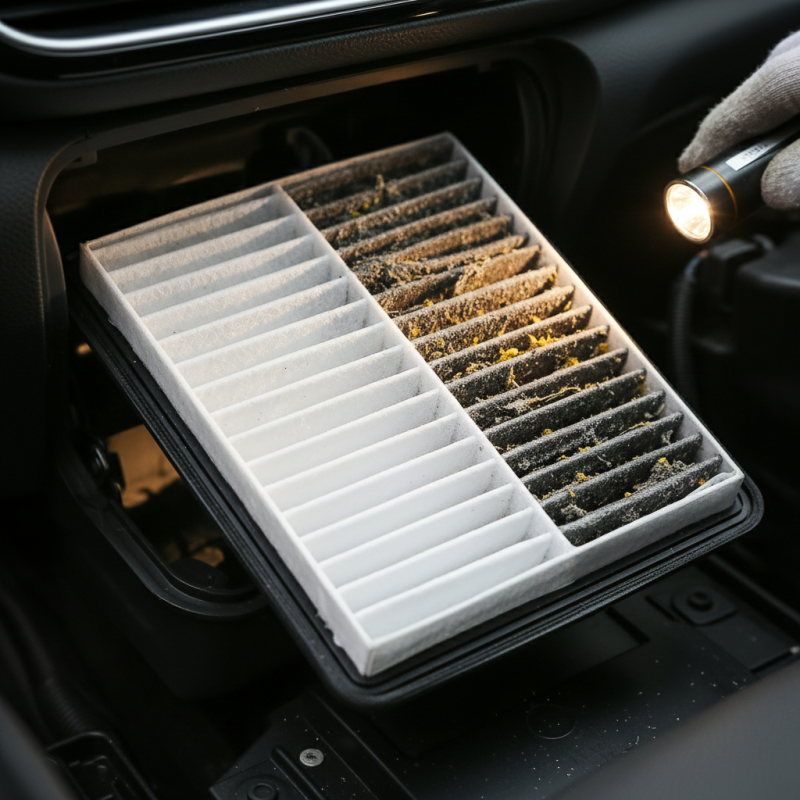
What is a Cabin Filter and Why is it Important?
The Cabin Filter plays a crucial role in vehicle maintenance. It ensures that the air inside your car is clean and free of pollutants. This filter traps dust, pollen, and other harmful particles. As you drive, it works silently to deliver fresh air.
Neglecting the Cabin Filter can lead to problems. Dirty filters can restrict airflow and cause unpleasant odors. Drivers may experience allergies or respiratory issues because of contaminants. It’s often overlooked, yet it holds great importance.
Regularly checking and replacing the Cabin Filter is essential. A clean filter enhances comfort and safety. Ignoring this small component can lead to bigger issues. Taking proper care of your cabin filter is a simple step towards a healthier driving environment.
What is a Cabin Filter?
A cabin filter is an essential component of your vehicle. It is located within the HVAC system, filtering the air that enters the cabin. This filter captures dust, pollen, and other particles, ensuring that the air you breathe is cleaner and healthier.
Over time, the cabin filter can become clogged with debris. A dirty filter restricts airflow and reduces the efficiency of the heating and cooling system. You may notice a musty smell or decreased air quality when this happens. It’s a common oversight, and many drivers forget to check it regularly.
Replacing the cabin filter is often a do-it-yourself task. However, some may find it tricky to locate the filter. Seeking guidance or looking for online videos can be helpful. Remember, keeping the cabin filter clean is vital for a comfortable driving experience. Ignoring it can lead to poor air quality and possible health issues.
The Function of a Cabin Filter in Vehicles
A cabin filter plays a crucial role in maintaining the air quality inside vehicles. Its primary function is to filter out pollutants and allergens from the air entering through the HVAC system. In fact, studies show that up to 60% of air pollution can enter a vehicle cabin through this system. This means that a clean cabin filter can significantly improve a driver’s well-being and comfort during commutes.
Moreover, a well-maintained cabin filter can prevent unpleasant odors. A dirty filter can trap mold and contaminants, leading to foul smells inside the vehicle. Many drivers overlook this factor, thinking that air quality is solely influenced by outdoor conditions. However, a study found that allergens can be up to 20 times denser inside a vehicle than outside. This highlights the importance of regular filter checks and replacements.
Experts recommend replacing cabin filters every 12,000 to 15,000 miles to ensure optimal performance. Ironically, many drivers neglect this simple maintenance step. The consequences can be troublesome, especially for those with allergies or respiratory issues. Therefore, understanding the function of a cabin filter not only contributes to comfort but also addresses health concerns.
Signs That Your Cabin Filter Needs Replacement
A cabin filter plays a vital role in your vehicle. It cleans the air entering the cabin, trapping dust, pollen, and other pollutants. Over time, this filter can become clogged. If you notice musty odors or reduced airflow, it may be time to check it.
Signs of a failing filter are often subtle. You might experience increased allergy symptoms while driving. Strange noises from the air conditioning system can also indicate a problem. Pay attention to these changes, as they impact your comfort and health.
A dirty cabin filter often compromises your car's ventilation. You may observe an unusual rise in interior dust. If the air feels stale, the filter could be choking your system. Regular maintenance is key, but many overlook the cabin filter. It's a simple task that can significantly enhance your driving experience.
Benefits of Regular Cabin Filter Maintenance
A cabin filter plays a crucial role in maintaining a healthy environment inside your vehicle. It cleans the air that enters the cabin, trapping dust, pollen, and other pollutants. Over time, this filter can become clogged, leading to decreased air quality. Frequent exposure to contaminants can cause allergic reactions. This is a significant concern for those with respiratory issues.
Regular maintenance of the cabin filter offers many benefits. Replacing it on schedule can improve airflow. A clean filter helps your air conditioning and heating systems work more efficiently. This can even save on fuel costs. Breathe easier during your drives by ensuring the cabin filter is in good shape. Ignoring it can lead to musty odors and reduced comfort.
Many drivers underestimate the importance of this maintenance. A simple check can reveal a lot. If the filter is dirty, it can impede your vehicle's performance. Regular replacement helps avoid unnecessary repairs in the long run. Small details, like a fresh filter, can make a big difference in overall driving comfort. It's worth the effort.
What is a Cabin Filter and Why is it Important? - Benefits of Regular Cabin Filter Maintenance
| Dimension | Description | Benefit |
| Air Quality | Filters dust, pollen, and other particulates from the air | Improves in-cabin air quality for passengers |
| Odor Removal | Helps to eliminate unpleasant odors | Creates a more pleasant driving experience |
| HVAC Efficiency | Maintains optimal airflow through the HVAC system | Enhances the performance of heating and cooling systems |
| Health Benefits | Reduces exposure to allergens and pollutants | Promotes better respiratory health for passengers |
| Cost Savings | Prevents damage to the HVAC system | Saves money on repairs and maintenance |
How to Replace Your Cabin Filter: A Step-by-Step Guide
Replacing your cabin filter is easier than you might think. Start by locating it, usually behind the glove compartment. Clear out any clutter in the glove box. This will give you better access. Next, gently remove the glove compartment to access the filter compartment. Be careful; you don’t want to break anything.
Once you’ve found the cabin filter, pull it out. Compare it to the new filter. Sometimes, dirt and debris can build up, making it hard to see through. A clean filter helps you breathe easier inside your car. Make sure the new filter fits properly. Insert it and then reassemble the glove compartment. It should snap back in place with some pressure.
Tips: Always check your filter every six months. Allergies can worsen if it’s blocked. If your air isn’t cool, consider checking the filter too. Don’t rush this task; take your time to do it right. Trust me, your respiratory health depends on it. Regular checks can save you from costly repairs down the line.