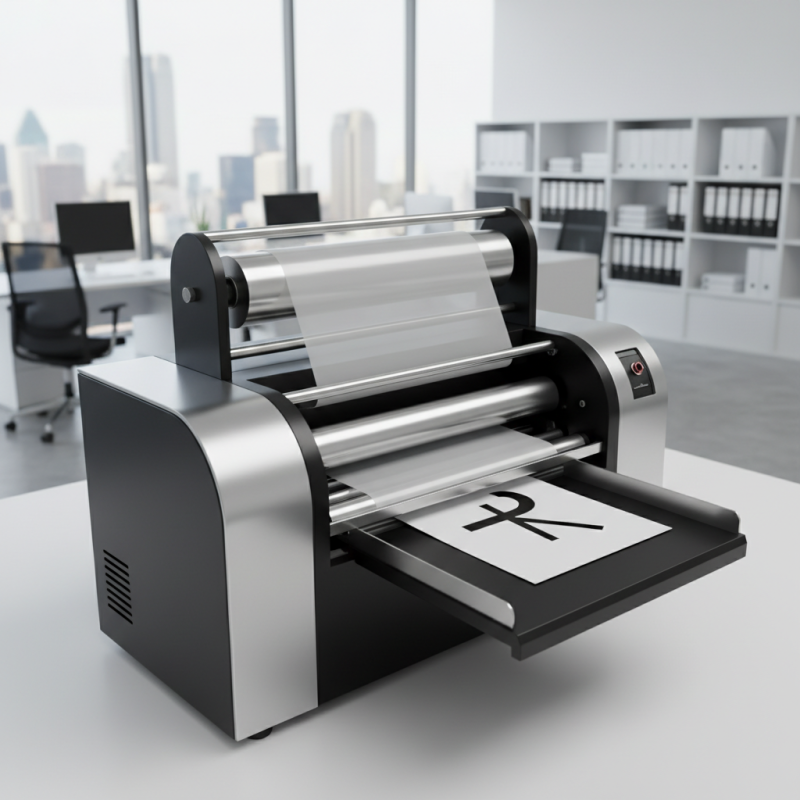
2026 Best Roll Lamination Machine for Your Business Needs?
Finding the right Roll Lamination Machine can transform your business. As 2026 approaches, new technologies emerge. Selecting the best machine is crucial.
A quality roll lamination machine enhances productivity and product quality. You need to evaluate your specific needs. Consider factors like size, speed, and ease of use. Many machines claim to be the best, but not all meet the mark.
Investing in the perfect machine might feel overwhelming. Each business has unique requirements that need careful consideration. The perfect choice isn’t just about price. Reliability and customer support are also vital. Reflect on what truly matters for your operations.
Understanding Roll Lamination: Key Features and Benefits
Roll lamination is a popular method for protecting documents and enhancing their appearance. Understanding its key features can greatly benefit your business. The machine uses heat and pressure to apply a plastic film over surfaces. This creates a durable, weather-resistant finish. Businesses can use it for menus, posters, and other materials.
One significant advantage of roll lamination is its efficiency. It allows for continuous feeding of materials. This means higher output with less manual intervention. Additionally, roll lamination offers a variety of thickness options. These options cater to different protection levels. However, the choices can be overwhelming. Finding the right thickness for your needs requires careful consideration.
Another benefit is the professional look it gives to projects. Laminated items often appear more polished and appealing. This can improve customer perception and engagement. Yet, not all materials react the same way to lamination. Some may shrink or discolor, leading to unsatisfactory results. Testing various materials is crucial before committing to larger runs. This step is often overlooked but is crucial for quality assurance.
Types of Roll Lamination Machines for Different Applications
In the realm of roll lamination, various machines cater to distinct needs. For instance, cold roll laminators are preferred for documents that require flexibility and durability. They use pressure instead of heat, ensuring that sensitive materials aren't damaged. This type of machine is popular across educational institutions and small businesses, where budget constraints are significant.
Hot roll laminators, on the other hand, utilize heat to bond the laminating film to the substrate. This method creates a stronger seal, making it suitable for packaging and industrial applications. According to industry reports, companies see a 15% increase in product longevity when using hot lamination for packaging. It's vital to recognize the balance between initial costs and potential savings over time.
Additionally, widening the application of wide-format laminators is gaining traction in signage and graphic markets. These machines can handle larger materials and are essential for professional printing businesses. However, the learning curve can be steep. Many operators struggle with setting the correct speed and temperature. This often leads to inconsistent results, which can undermine quality and waste materials. Finding the right machine requires careful consideration of intended use and operator skill level.
Selecting the Right Size and Speed for Your Business Needs
When selecting a roll lamination machine, size and speed are crucial factors. The right size ensures compatibility with your workspace and production volume. A machine too large can occupy unnecessary space. A small machine may limit your potential. Measure your area carefully before making a decision.
Speed is another important aspect. High-speed machines can enhance productivity. However, they often come with a higher initial cost. Sometimes, a slower machine may suffice if your business has lower volume needs. It's essential to evaluate your current and future requirements. Ask yourself: Will my production levels change soon?
Think about the materials you'll process. Different materials might need specific speed settings. For instance, thicker films may require slower speeds for optimal results. It's wise to test various speeds. Only then can you determine what works best for your unique situation. Balancing size and speed can be challenging, but it’s essential for maximizing efficiency.
Top Brands and Models of Roll Lamination Machines in 2026
In 2026, the roll lamination machine market is rapidly evolving. Industry reports indicate a growth rate of around 8% annually. Businesses are increasingly seeking efficient solutions for document protection and presentation. This demand is primarily driven by sectors like education and advertising.
Current leading models vary widely in features. Advanced machines now offer dual-sided lamination capabilities. Some models include user-friendly touch screens for effortless operation. However, not all machines provide consistent results. Users have reported issues with bubble formation and uneven lamination. It is essential to read reviews before purchasing.
Additionally, energy efficiency has become a vital consideration. Many businesses seek machines that can operate at lower energy costs. Some manufacturers claim up to 30% energy savings with their latest models. Yet, users sometimes find that these claims do not translate to real-world use. Overall, while many options exist, the right choice will depend on specific business needs.
2026 Best Roll Lamination Machines Performance Comparison
This bar chart compares the speed and maximum width of various roll lamination machines available in 2026. The data presented can assist businesses in making an informed decision based on their specific lamination needs.
Maintenance Tips to Ensure Longevity of Your Lamination Machine
Maintaining a roll lamination machine is crucial for its longevity. Regular cleaning can prevent dust buildup. Dust can interfere with mechanics and reduce performance. Check the rollers frequently. Worn or damaged rollers can lead to uneven lamination. They may need replacement sooner than expected.
Lubrication is another key aspect. Use the right lubricants to reduce friction. Too much or too little lubrication can cause problems. Monitor the machine’s temperature during operation. Excess heat might signal issues that need immediate attention. If you notice strange noises, it could indicate a deeper problem.
Keep an eye on the production environment as well. Extreme temperatures can affect the machine’s performance. Humidity levels should also be monitored. High humidity can cause paper to warp. This can lead to faulty lamination and wasted materials. Make sure to have a maintenance schedule. Skipping routine checks can lead to unexpected breakdowns. Small efforts can save you from costly repairs.
2026 Best Roll Lamination Machine for Your Business Needs? - Maintenance Tips to Ensure Longevity of Your Lamination Machine
| Machine Model | Max Width (inches) | Film Thickness (mil) | Speed (ft/min) | Price ($) | Maintenance Tips |
| Model A | 25 | 3 | 30 | 1200 | Regularly clean rollers and check for worn parts. |
| Model B | 30 | 5 | 25 | 1500 | Lubricate all moving parts monthly and perform daily checks. |
| Model C | 40 | 1.5 | 35 | 2000 | Ensure proper alignment and calibrate settings regularly. |
| Model D | 20 | 2 | 40 | 1000 | Monitor temperatures and replace film regularly. |